
 Save Pin
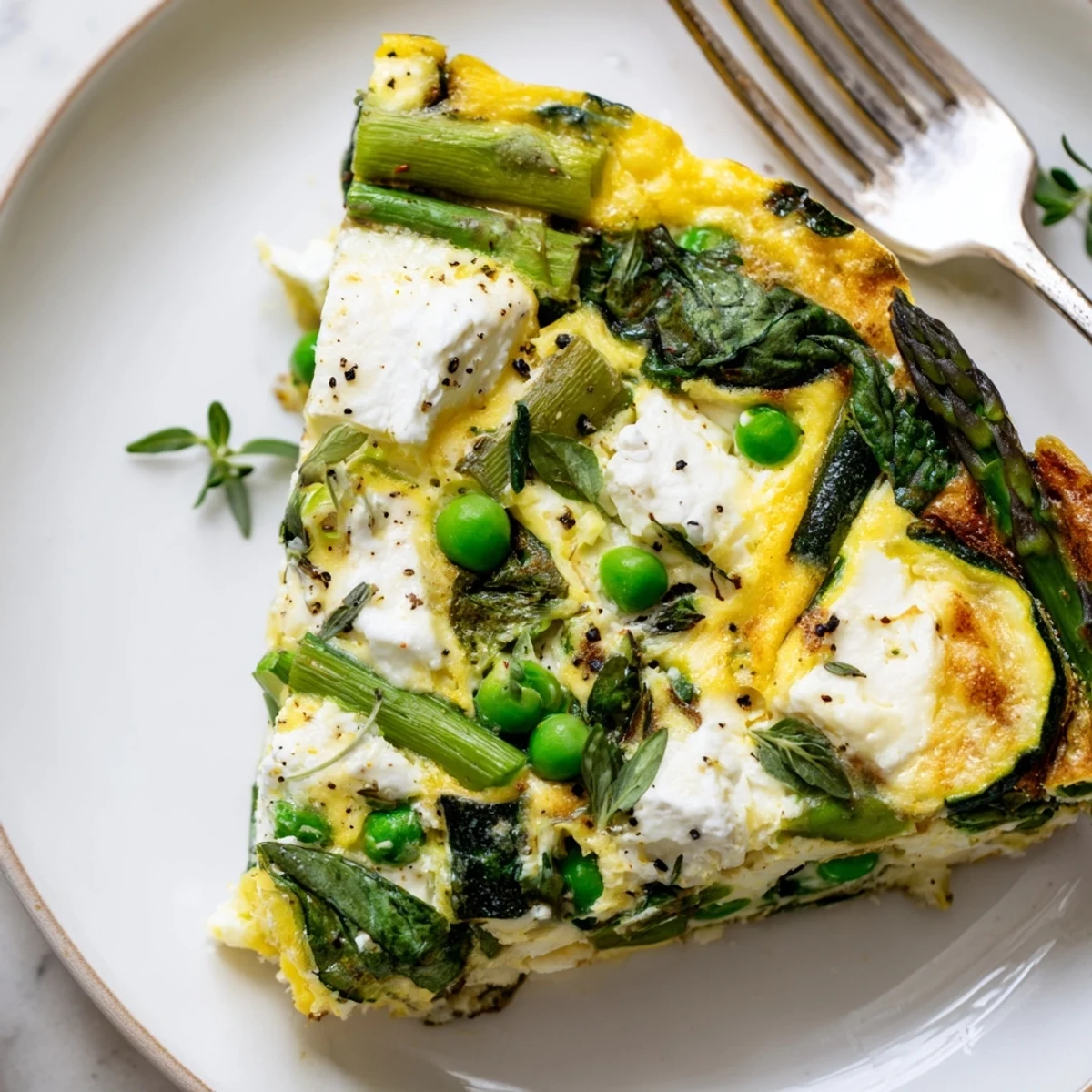
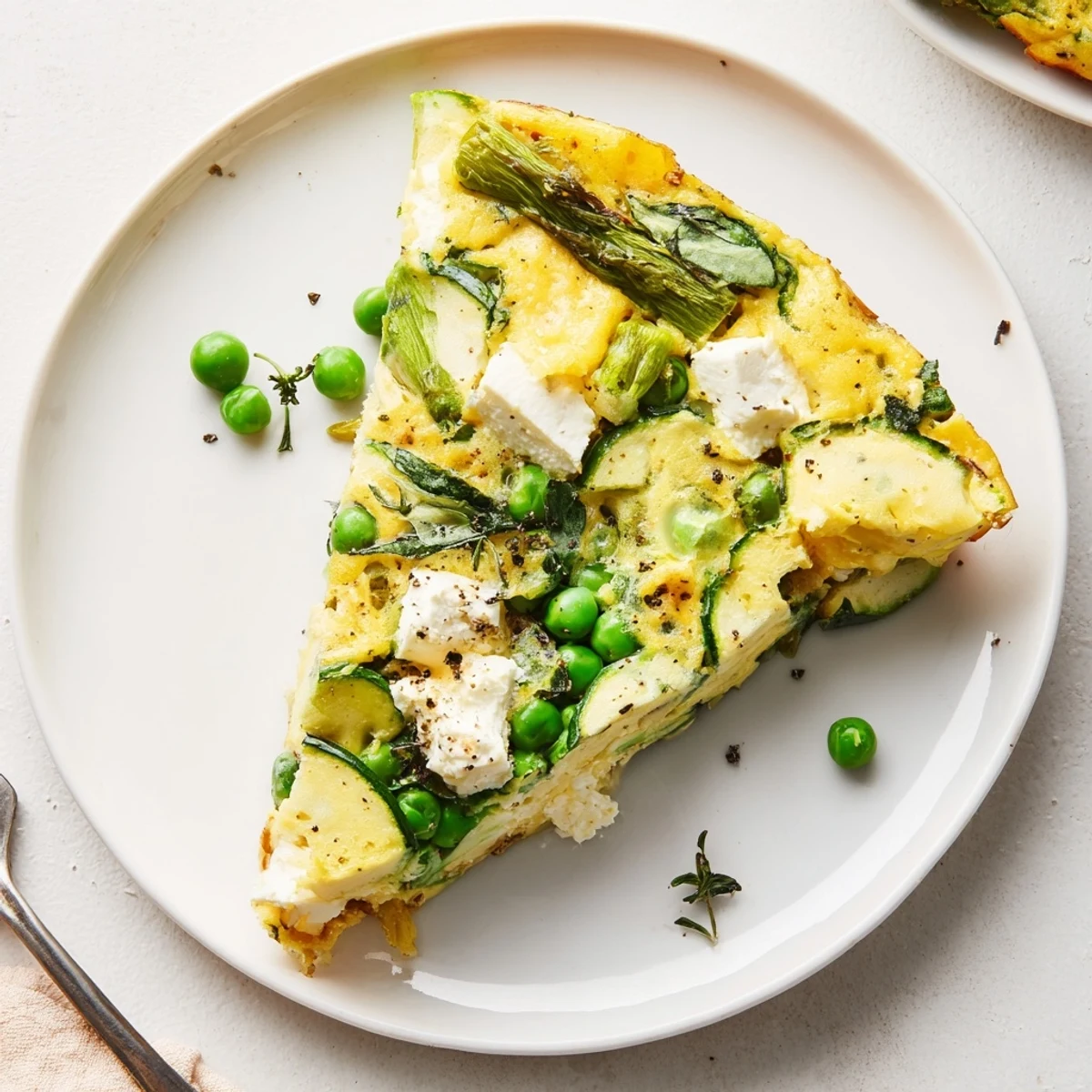
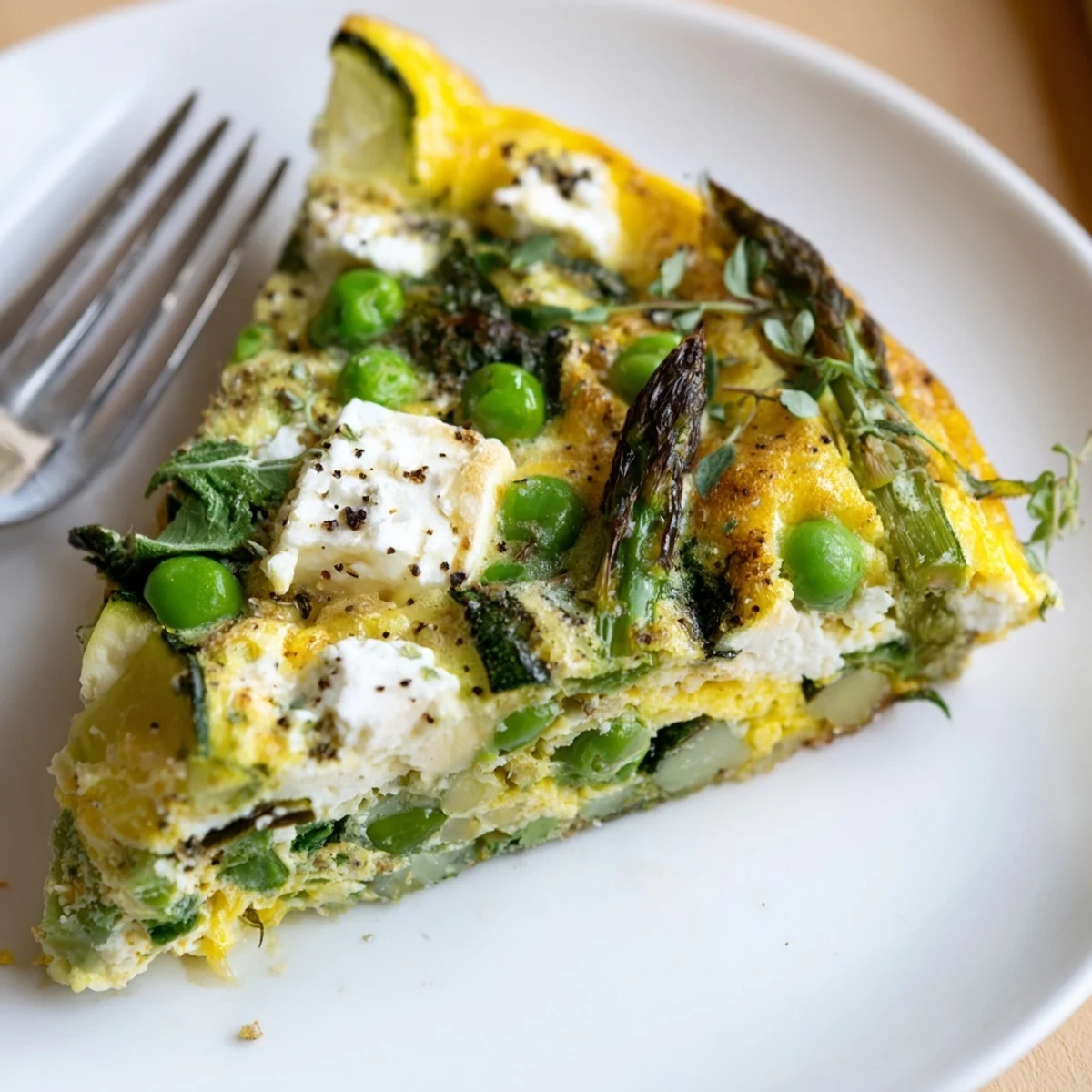
 This vibrant oven-baked frittata combines sautéed asparagus, zucchini and scallions with wilted spinach and peas, whisked eggs and a splash of cream, finished with crumbled goat cheese. Sear the vegetables in an ovenproof skillet, pour in the egg mixture, top with cheese and bake at 375°F until just set. Serves 4; about 40 minutes total. Serve warm or at room temperature.
The farmers market had just opened for the season and my bag was already overflowing with asparagus, spring onions, and bundles of spinach so fragrant I could smell them through the canvas. Back home with coffee still brewing, I cracked eight eggs into a bowl and decided the vegetables deserved better than a basic scramble. The cast iron skillet came out, the oven clicked on, and forty minutes later I was eating the most satisfying slice of something that felt like spring on a plate.
I served this to my neighbor Helen on a rainy Tuesday when she stopped by to return a borrowed casserole dish. She stood in the kitchen eating a wedge straight from the skillet, fork in one hand and dish in the other, completely forgetting why she had come over. We laughed about it later, but honestly that is the highest compliment any frittata can receive.
Ingredients
- Asparagus (1 cup, trimmed and cut into 1 inch pieces): Snap off the woody ends and they will break naturally at the right spot every time.
- Baby spinach (1 cup): Fresh spinach wilts down beautifully and adds a mild earthiness without overpowering the other vegetables.
- Frozen peas (1/2 cup, thawed): Frozen peas actually hold their shape and sweetness better than fresh ones in a baked dish like this.
- Zucchini (1 small, sliced into thin half moons): Slice them thin so they cook through evenly and do not leave watery pockets in the finished frittata.
- Scallions (4, thinly sliced): They give a gentler onion flavor than regular onions and look pretty scattered throughout.
- Eggs (8 large): Room temperature eggs blend more smoothly and cook more evenly than cold ones straight from the refrigerator.
- Whole milk or cream (1/4 cup): A splash of dairy keeps the texture custardy rather than rubbery.
- Salt (1/2 teaspoon) and black pepper (1/4 teaspoon): Season the egg mixture generously because the vegetables will dilute the saltiness slightly.
- Fresh thyme leaves (1/2 teaspoon, or 1/4 teaspoon dried): Thyme has an affinity for eggs and spring vegetables that no other herb quite matches.
- Goat cheese (4 oz, crumbled): Crumble it with your fingers rather than cutting it for the most appealing rustic look.
- Olive oil (1 tablespoon): Just enough to sauté the vegetables and create a golden edge on the frittata.
Instructions
- Preheat and prepare:
- Set your oven to 375°F (190°C) and make sure the rack is in the center position. Pull out your ovenproof skillet and have all your vegetables prepped and ready before you turn on the stove.
- Sauté the hearty vegetables:
- Heat olive oil in the skillet over medium heat and add the asparagus, zucchini, and scallions. Listen for that gentle sizzle and stir occasionally for about 3 to 4 minutes until the asparagus is bright green and just barely yielding to a fork.
- Wilt the greens:
- Toss in the spinach and thawed peas, stirring for another minute or two until the spinach collapses into the other vegetables. The skillet will look wonderfully colorful at this stage, like a little garden in a pan.
- Whisk the egg mixture:
- In a mixing bowl, whisk the eggs, milk, salt, pepper, and thyme until the yolks and whites are fully blended and a few bubbles appear on the surface. This takes about thirty seconds of enthusiastic whisking.
- Combine and distribute:
- Spread the sautéed vegetables into an even layer across the skillet, then pour the egg mixture gently over the top. Give the pan a soft shimmy side to side so the eggs settle around every nook and cranny.
- Top with goat cheese:
- Scatter the crumbled goat cheese evenly across the surface, letting some pieces fall between the vegetables. Do not press them down, just let them rest on top like little clouds.
- Set the edges on the stovetop:
- Keep the skillet on low to medium heat for 3 to 4 minutes without stirring, watching for the edges to pull away slightly from the sides of the pan. You will see the perimeter turn opaque while the center still jiggles.
- Bake to golden perfection:
- Transfer the skillet carefully into the oven and bake for 12 to 15 minutes until the center is set when you give the pan a gentle shake and the top has light golden spots. Your kitchen will smell incredible.
- Cool and serve:
- Let the frittata rest in the pan for about 5 minutes before slicing into wedges. It is wonderful warm, equally good at room temperature, and honestly not bad cold straight from the refrigerator the next morning.
 Save Pin
 There is something about pulling a puffed golden frittata from the oven that makes even an ordinary weeknight feel like a small celebration. It asks so little of you and gives back so much warmth and color on the plate.
Making It Your Own
Once you understand the basic ratio of eight eggs to roughly four cups of combined vegetables and cheese, you can adapt this frittata to whatever season you are in. Summer tomatoes and basil work beautifully, and fall versions with roasted squash and sage are equally deserving of a spot at the table.
Serving Suggestions
A simple arugula salad dressed with lemon juice and good olive oil is really all you need alongside this. Thick slices of sourdough toast or a crusty baguette make it feel like a proper meal worthy of weekend guests.
Storing and Reheating
Leftover frittata keeps beautifully in the refrigerator for up to three days and tastes just as good the next day, which makes it an excellent candidate for meal prep breakfasts. You can reheat it gently in a low oven or eat it cold without any loss of texture or flavor.
- Wrap leftover slices individually in parchment paper for easy grab and go mornings.
- Avoid microwaving at high power because it toughens the eggs and creates unpleasant hot spots.
- Always let the frittata cool completely before covering and refrigerating to prevent condensation from making it soggy.
 Save Pin
 Every time I make this frittata I think about how the simplest dishes are often the ones worth returning to again and again. Keep this one close and let it become yours.
Recipe FAQs
- → Can I make this ahead of time?
-
Yes. Cook through and cool completely, then cover and refrigerate for up to 24 hours. Reheat gently in a low oven until warmed through or serve at room temperature.
- → How should I reheat leftovers without drying them out?
-
Warm in a 325°F oven for 8–12 minutes, covered loosely with foil to retain moisture. Short microwave bursts (30–45 seconds) work for single slices, but the oven preserves texture better.
- → What kind of skillet is best?
-
Use a 10–12 inch ovenproof skillet — cast iron gives a nice crust and holds heat well, while a nonstick skillet is easier for release. Ensure the handle is oven-safe if transferring to the oven.
- → Why might the center be runny or the edges rubbery?
-
A runny center means it needs a few more minutes in the oven; check at 12-minute mark and bake until just set. Rubberiness can come from overcooking or too-high heat—finish gently in the oven and avoid vigorous stirring once eggs hit the pan.
- → Can I swap the goat cheese or use dairy-free options?
-
Yes. Feta or ricotta work well as alternatives. For dairy-free cooking, use unsweetened plant-based milk and a plant-based cheese that melts well; expect slight texture differences and adjust baking time as needed.
- → What other vegetables or herbs pair well?
-
Try adding mushrooms, bell pepper, or cherry tomatoes for extra color. Fresh herbs like chives, dill or parsley brighten the dish—fold them in off-heat to preserve aroma.