
 Save Pin
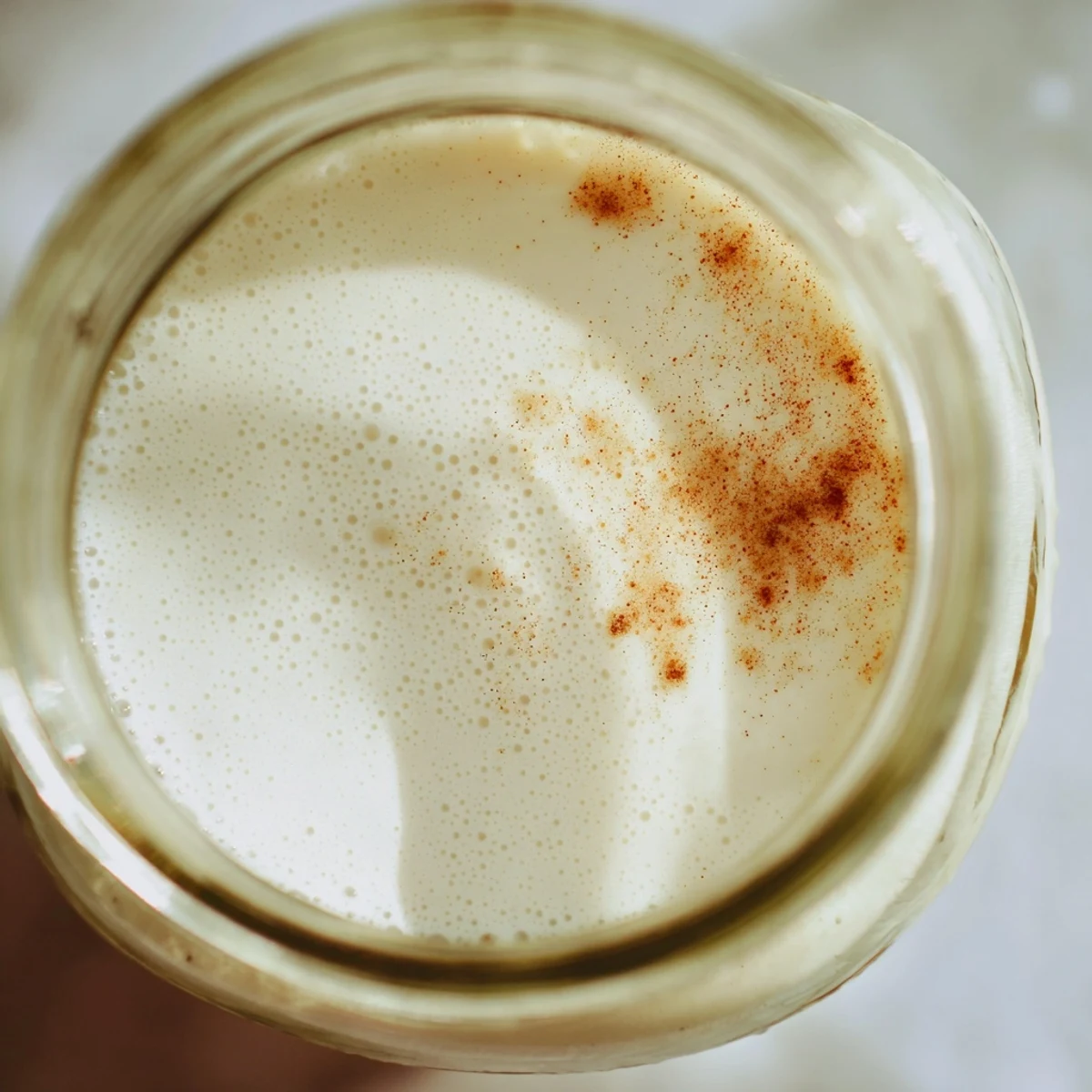
 Transform raw almonds into silky, fresh dairy-free milk using your blender. This simple method produces a smooth, naturally sweet beverage perfect for morning coffee, cereal, or enjoying straight from the glass. The optional soaking step ensures maximum creaminess, while vanilla or maple syrup can enhance the flavor. Strain through a nut milk bag for the silkiest results, and store in glass bottles for up to four days. Save the leftover pulp for adding fiber to smoothies, baking into cookies, or forming energy bites.
My blender was having none of it the morning I tried making almond milk without soaking the almonds first. The thing screamed like a jet engine and the result was gritty, watery disappointment poured straight down the drain. That failure stuck with me, and once I learned the overnight soak trick, everything changed. Now homemade almond milk is the only kind worth keeping in my fridge.
A friend watched me strain a batch one Sunday morning and stood there speechless as the creamy white liquid poured out. She had been buying cartons for years and never realized how simple it was. We spent the rest of that morning drinking coffee with the freshest almond milk either of us had ever tasted.
Ingredients
- 1 cup raw almonds: Raw and unsalted are essential here, as roasted almonds will give you a completely different flavor that overwhelms the delicate milk.
- 4 cups filtered water: Good water makes good milk, so use the same quality you would drink on its own.
- 1 to 2 tablespoons maple syrup: This adds a gentle sweetness that rounds everything out, though you can skip it entirely for an unsweetened version.
- 1 teaspoon vanilla extract: A small amount brings warmth and depth that makes this feel like a treat rather than just a pantry staple.
- Pinch of sea salt: Salt may seem odd in milk but it brightens every other flavor and keeps the taste from feeling flat.
- 1 to 2 dates, pitted: If you want natural sweetness without liquid sweeteners, dates blend in beautifully and add body.
Instructions
- Soak the almonds:
- Cover the almonds with plenty of water and leave them on your counter overnight or for at least eight hours until they look plump and tender between your fingers.
- Drain and rinse:
- Dump the soaking water and give the almonds a thorough rinse under cold running water until it runs completely clear.
- Blend everything:
- Toss the soaked almonds into your blender with four cups of fresh filtered water and any flavorings you want, then run it on high for one to two minutes until the mixture looks thick, white, and beautifully frothy.
- Strain the milk:
- Pour the blended mixture through a nut milk bag or several layers of cheesecloth into a large bowl, then squeeze firmly with both hands to extract every last drop of liquid.
- Bottle and chill:
- Transfer your fresh almond milk into a clean glass bottle or jar, seal it tight, and pop it in the refrigerator where it will keep nicely for up to four days.
 Save Pin
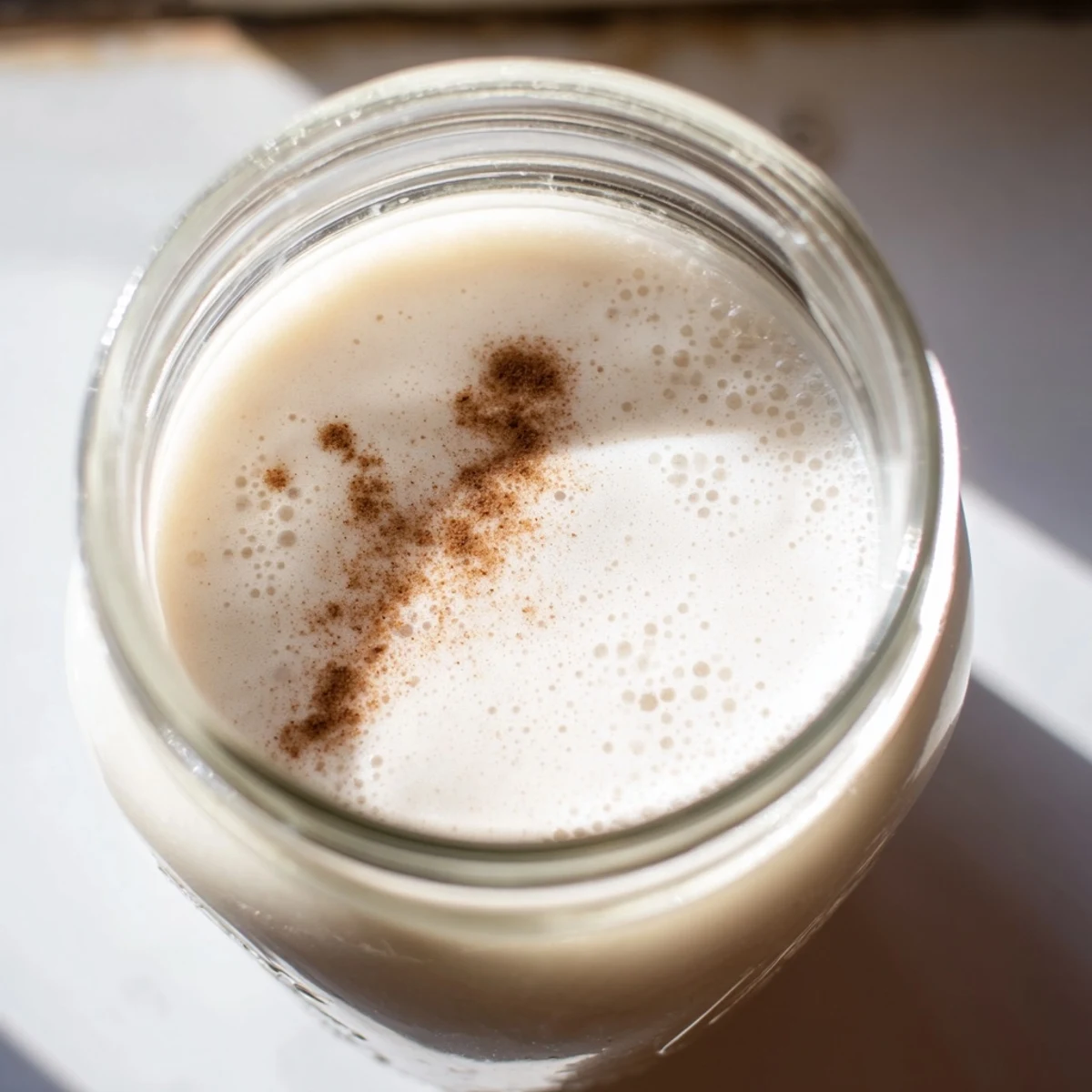
 Pouring this over a bowl of granola on a quiet Tuesday morning makes an ordinary breakfast feel like a small act of self care. That is the real magic of making something from scratch.
Getting the Texture Right
The ratio of almonds to water is your control dial for thickness and richness. Four cups of water gives you something close to whole milk, but bump it to five or six cups if you prefer a lighter pour for drinking straight. Going down to three cups creates something almost cream like that is incredible in coffee. Play around until you find the consistency that makes you happy.
Flavor Variations Worth Trying
Once you have the basic method down, the flavor possibilities open up in surprising ways. A tablespoon of cocoa powder blended in at the end turns this into a quick chocolate milk that kids go crazy for. Cinnamon adds a warm spice note that pairs beautifully with fall baking and morning oatmeal. A splash of strong coffee swirled in creates a subtle mocha milk that elevates any iced latte.
Storage and Freshness
Homemade almond milk separates as it sits because it contains no emulsifiers, and that is completely normal. Just give the bottle a good shake before each use and it comes right back together. Always store it in a clean glass container and never keep it longer than four days, as fresh really means fresh here. A few habits make a big difference in how long your batch stays tasty.
- Wash your storage bottle with hot soapy water between every batch to prevent any off flavors from building up.
- Label the bottle with the date you made it so you never have to guess whether it is still good.
- If the milk smells sour or tastes off before four days, your blender or bottle may need a more thorough sanitizing wash.
 Save Pin
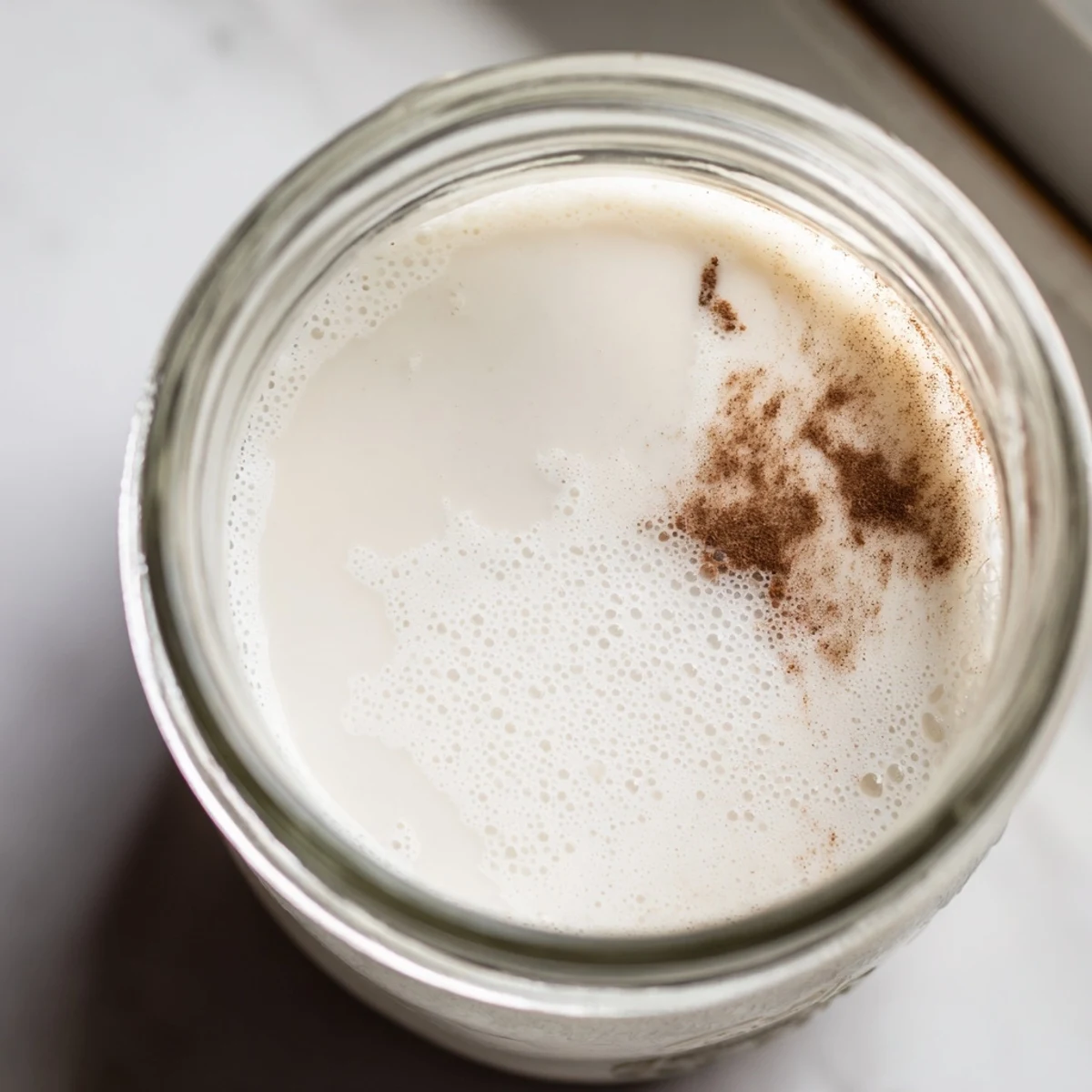
 There is a quiet satisfaction in shaking a bottle of something you made with your own hands. This recipe is proof that the simplest things in the kitchen are often the most rewarding.
Recipe FAQs
- → How long does homemade almond milk last?
-
Store your almond milk in a sealed glass container in the refrigerator for up to 4 days. Shake well before each use as natural separation occurs. Fresh almond milk lacks preservatives found in commercial versions, so use within this timeframe for best quality and taste.
- → Do I really need to soak the almonds?
-
Soaking for 8 hours or overnight softens the nuts, making them blend more smoothly and yield creamier milk. It also helps release nutrients and reduces phytic acid. While you can skip soaking for quicker results, soaked almonds produce smoother, more digestible milk with better extraction.
- → What can I do with the leftover almond pulp?
-
The remaining almond pulp is incredibly versatile. Dehydrate it to create almond flour for baking, add wet pulp directly to smoothies for extra fiber and protein, mix into oatmeal, or combine with dates and cocoa to form energy balls. You can also dry it and use as a crunchy topping for yogurt or salads.
- → Can I make almond milk without a nut milk bag?
-
A nut milk bag provides the smoothest results, but fine alternatives exist. Use several layers of cheesecloth secured over a bowl, or line a fine-mesh sieve with coffee filters. Keep in mind that alternative methods may require more patience and multiple strainings to achieve the same silky texture.
- → Is homemade almond milk cheaper than store-bought?
-
Making almond milk at home is typically more economical than premium organic brands. One cup of almonds yields approximately one liter of milk, costing significantly less per serving. Plus, you control the ingredients, avoid additives and preservatives, and can customize sweetness and flavorings to your preference.
- → Can I use other nuts in this method?
-
This technique works beautifully with cashews, hazelnuts, walnuts, or macadamia nuts. Cashews blend particularly smooth and often require no straining. Adjust soaking times as needed—softer nuts like cashews need less soaking, while harder varieties benefit from longer soak times for optimal creaminess.