 Save Pin
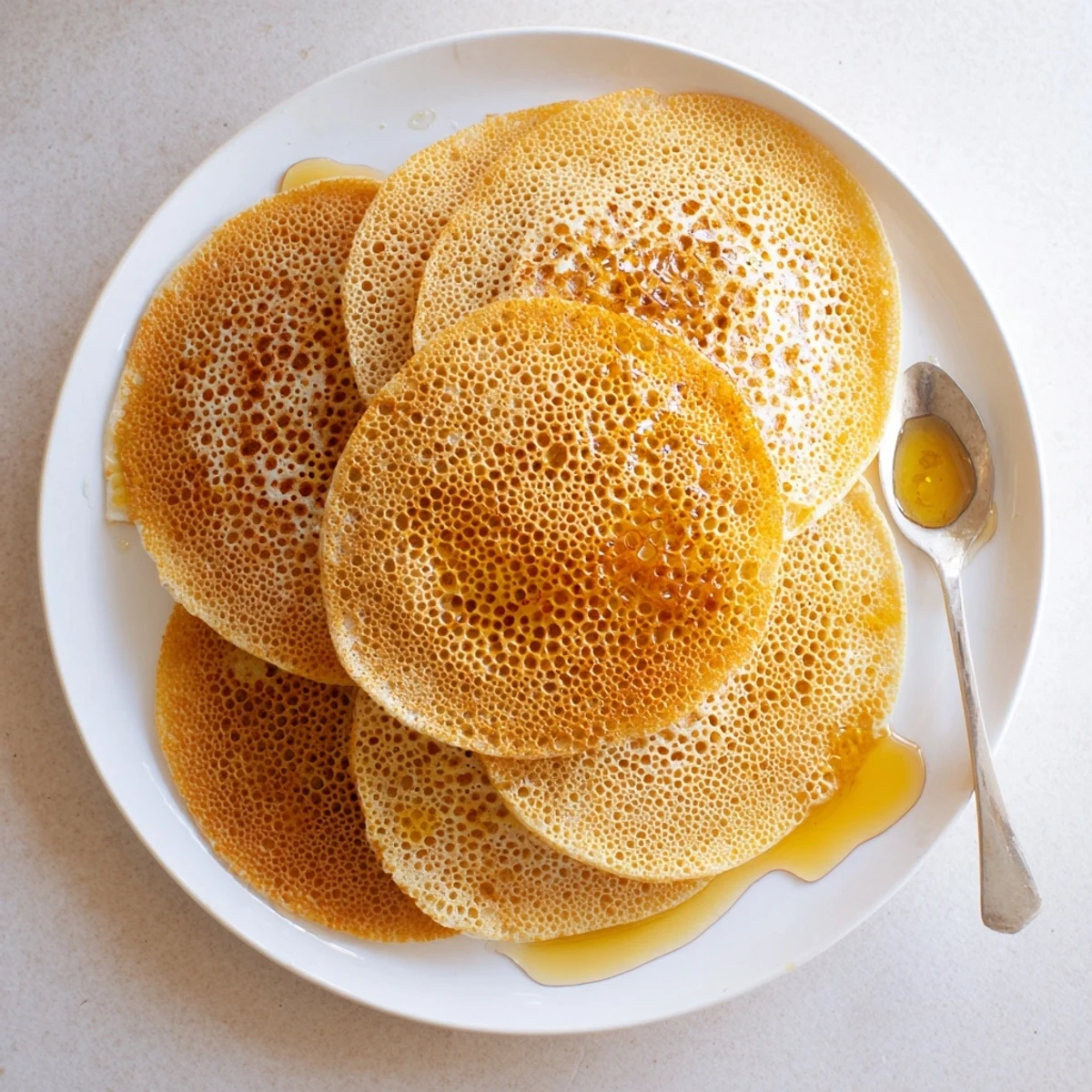
 Baghrir are beloved Moroccan treats known for their distinctive honeycomb appearance and incredibly light, airy texture. Made from a simple batter of fine semolina, flour, yeast, and baking powder, these pancakes develop their characteristic bubbles during cooking, creating countless tiny craters that perfectly absorb sweet toppings.
The batter requires a resting period to activate the yeast and develop those signature air pockets. Unlike traditional pancakes, baghrir are cooked on only one side until the surface is dotted with holes and the edges set. The result is a wonderfully spongy pancake that's soft, pillowy, and ready to soak up melted butter and honey.
Serve these warm for a comforting breakfast, afternoon snack, or sweet ending to any meal. They're delicious with classic butter and honey, but also pair beautifully with jam, date syrup, or chopped nuts for added texture and flavor variety.
The morning I discovered baghrir, my kitchen filled with the most incredible honeycomb bubbles popping on the skillet. My Moroccan neighbor had described these spongy pancakes for weeks, but nothing prepared me for watching them come alive with those signature holes. Now they are my go-to when I want something special without the fuss.
Last Eid, I made a triple batch for my family breakfast, and even my skeptical father who prefers savory breakfasts went back for thirds. The way the warm butter and honey soak into those tiny air pockets is something magical that turns an ordinary morning into a celebration.
Ingredients
- 1 cup fine semolina: The star ingredient that creates those authentic tiny holes and gives baghrir its distinctive texture
- 1/2 cup all-purpose flour: Adds structure so the pancakes hold together while staying tender
- 1 1/2 teaspoons instant yeast: Works with the baking powder to create that signature honeycomb appearance
- 1 teaspoon baking powder: Ensures the bubbles form consistently across every pancake
- 1 tablespoon sugar: Just enough to balance the flavors without making them sweet
- 1/2 teaspoon salt: Enhances all the flavors and keeps the pancakes from tasting flat
- 2 cups lukewarm water: Must be warm, not hot, to activate the yeast without killing it
- 3 tablespoons unsalted butter, melted: For brushing the warm pancakes and adding richness
- 1/4 cup honey: Traditional finishing touch that seeps into every hole
Instructions
- Mix the dry base:
- Whisk together the semolina, flour, instant yeast, baking powder, sugar, and salt in a large bowl until everything is evenly combined and no clumps remain.
- Add the water:
- Gradually pour in the lukewarm water while whisking constantly to create a smooth, thin batter that resembles heavy cream.
- Let it rest:
- Cover the bowl with a clean kitchen towel and set it aside for 30 minutes until bubbles form on the surface and the batter appears slightly foamy.
- Heat the pan:
- Warm a non-stick skillet or crepe pan over medium heat until a drop of water sizzles gently across the surface.
- Cook the pancakes:
- Stir the rested batter gently, then pour about 1/4 cup onto the skillet without spreading it. Let it cook undisturbed until covered with holes and dry on top, about 2 minutes. Do not flip.
- Keep them warm:
- Transfer the cooked baghrir to a clean kitchen towel, covering them to stay warm while you repeat with the remaining batter, stirring the batter between pancakes.
- Serve immediately:
- Brush the warm pancakes generously with melted butter and drizzle with honey while they are still hot enough to soak it all in.
 Save Pin
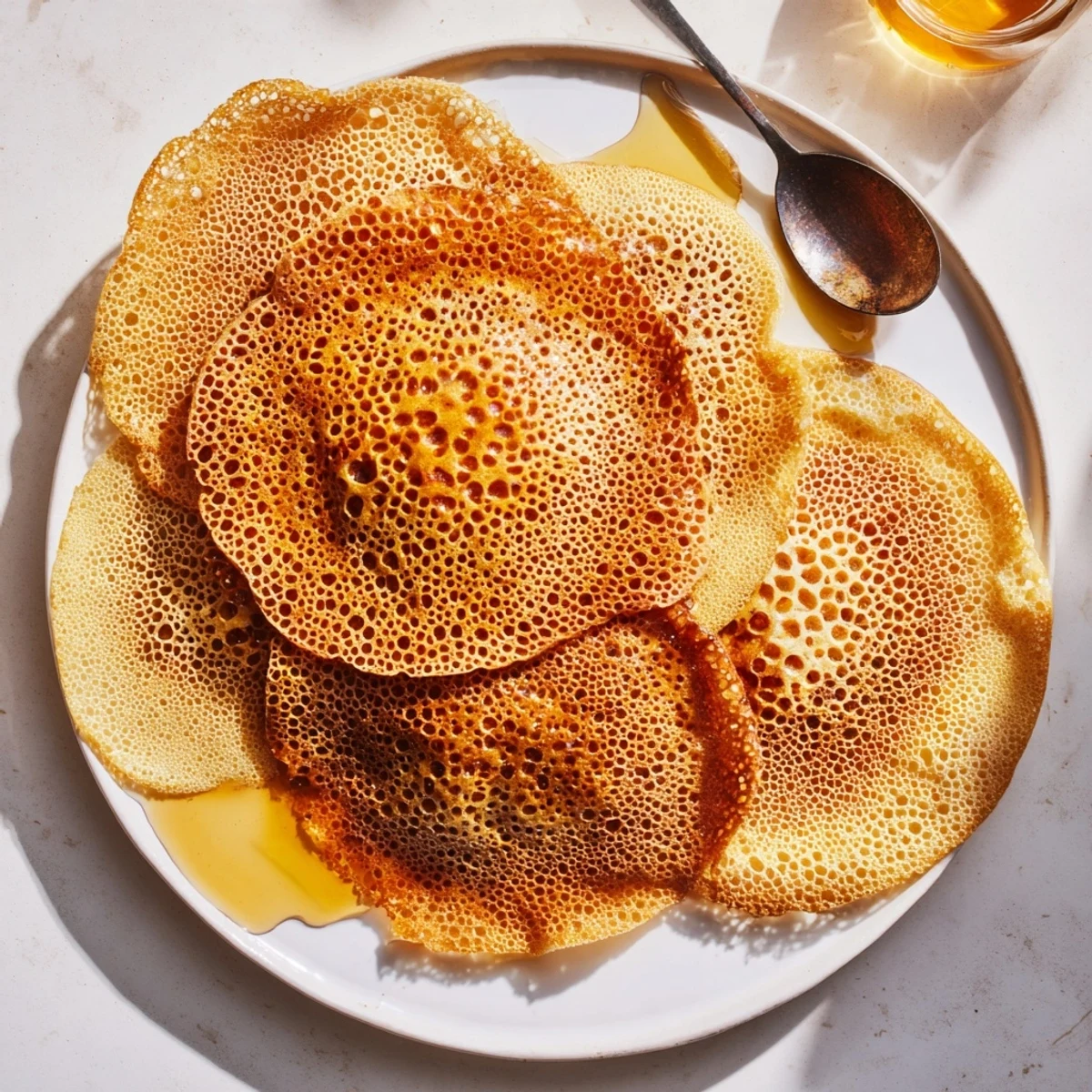
 These pancakes became a weekend ritual in our house, something my children now request whenever friends sleep over. There is something so comforting about watching them bubble away on the stove, knowing that warm butter and honey are waiting to transform them into something extraordinary.
Getting The Right Consistency
The batter should be thin and pourable, similar to crepe batter or heavy cream. If it is too thick, the holes will not form properly and you will end up with flat, dense pancakes. I have learned that the batter continues to thin slightly as it rests, so do not be tempted to add more water right away.
Temperature Secrets
Medium heat is ideal, but every stove is different. I keep a close eye on the first pancake and adjust accordingly. If the holes are not forming, the pan might be too cool. If the bottom burns before the top sets, lower the heat slightly.
Serving Ideas Beyond Honey
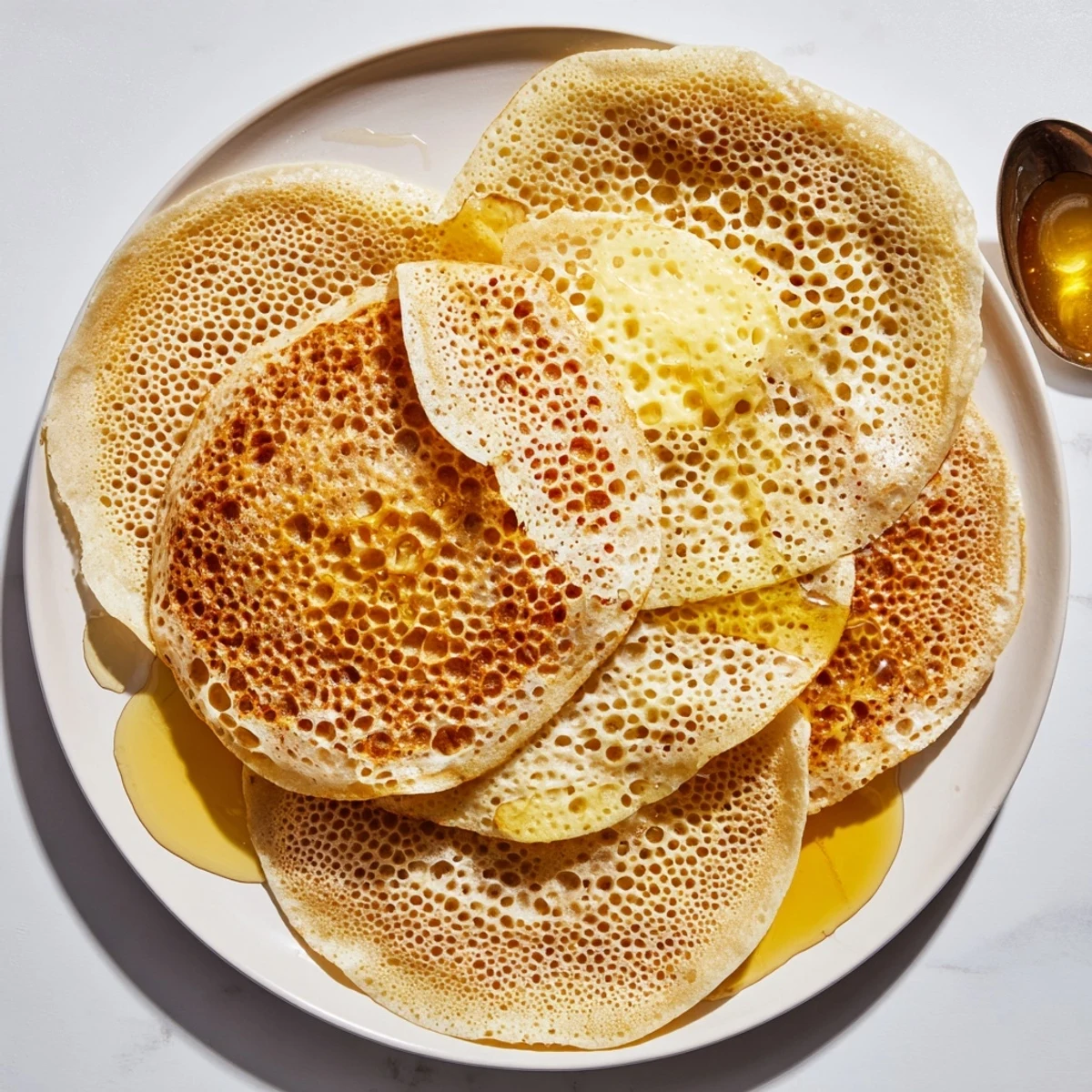
While butter and honey are traditional, I have discovered that warm baghrir pairs beautifully with so many toppings. The spongy texture acts like a sponge, soaking up whatever you drizzle over it.
- Date syrup with toasted almonds adds authentic Moroccan flair
- Raspberry jam and clotted cream turn them into an elegant dessert
- Nutella and sliced bananas make them irresistible to children
 Save Pin
 There is something deeply satisfying about making baghrir, watching simple ingredients transform into something so special. I hope they become as beloved in your kitchen as they are in mine.
Recipe FAQs
- → What makes baghrir different from regular pancakes?
-
Baghrir are unique because they're cooked on only one side and develop a distinctive honeycomb texture from the yeast and baking powder in the batter. Unlike fluffy American pancakes, they're incredibly light, spongy, and filled with tiny holes that perfectly absorb toppings like melted butter and honey.
- → Why does the batter need to rest before cooking?
-
The 30-minute resting period allows the yeast to activate and create bubbles in the batter. This fermentation process is essential for developing the signature honeycomb texture. You'll see bubbles forming on the surface, which indicates the batter is ready to cook.
- → Can I make the batter ahead of time?
-
Yes, you can prepare the batter several hours in advance and store it in the refrigerator. However, bring it to room temperature before cooking, as cold batter won't develop the proper honeycomb texture. The batter may also thicken slightly in the fridge, so add a tablespoon of water if needed.
- → What's the best way to achieve the honeycomb effect?
-
The key is using both instant yeast and baking powder, plus the proper resting time. Cook over medium heat and don't flip—the bubbles need to burst and set on the surface to create those characteristic holes. Pour the batter without spreading it, letting it naturally form its circular shape.
- → Can I make baghrir without semolina?
-
While semolina is traditional and provides the classic texture, you can substitute with more all-purpose flour or use a combination of flour and fine cornmeal. The result will be slightly different but still delicious. For authentic taste and texture, fine semolina is recommended.
- → What are traditional serving suggestions?
-
The most traditional way to serve baghrir is warm, generously drizzled with melted butter and honey. You can also add date syrup, orange blossom water, or jam. For extra indulgence, sprinkle with chopped almonds, walnuts, or pistachios. They're best enjoyed immediately while still warm and soft.