
 Save Pin
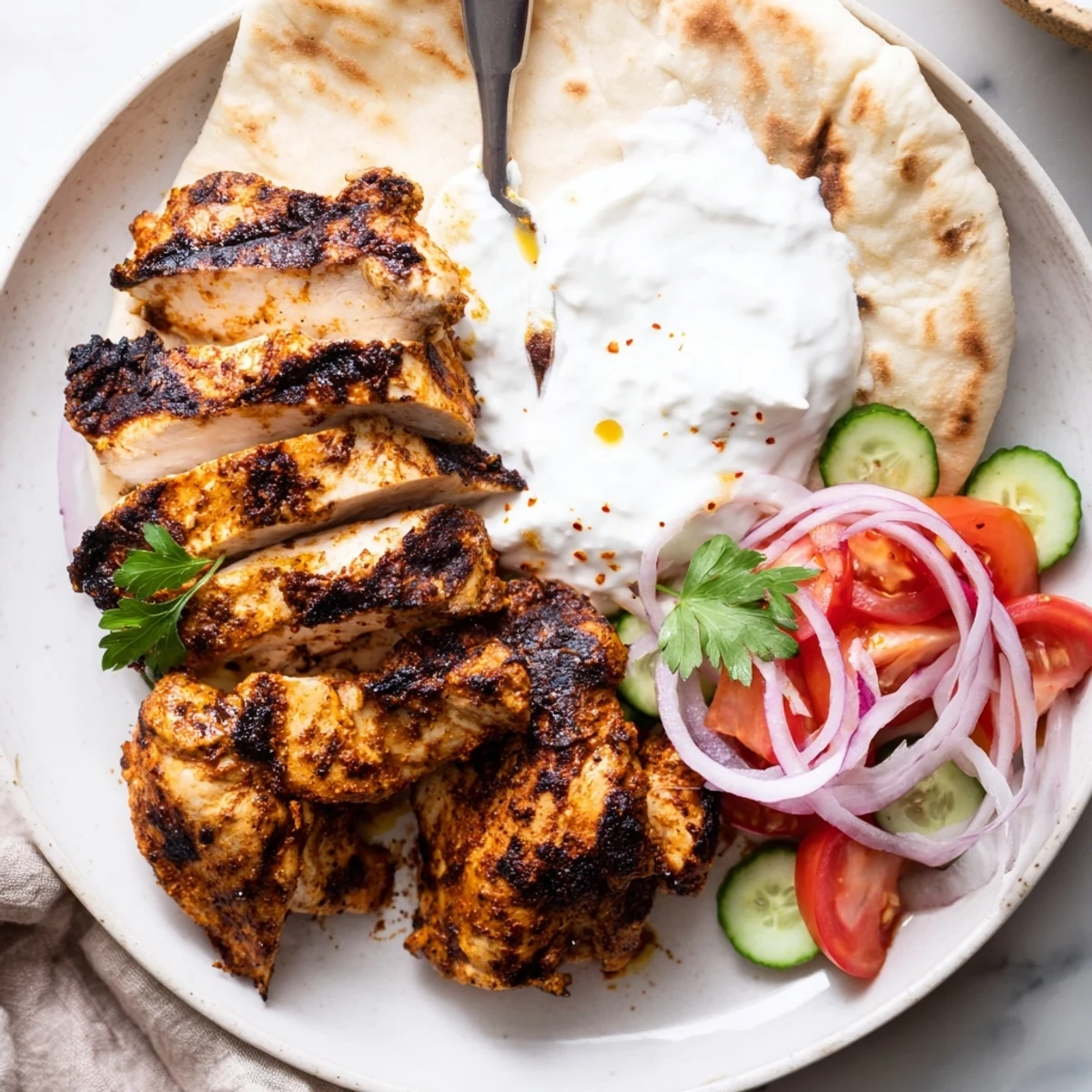
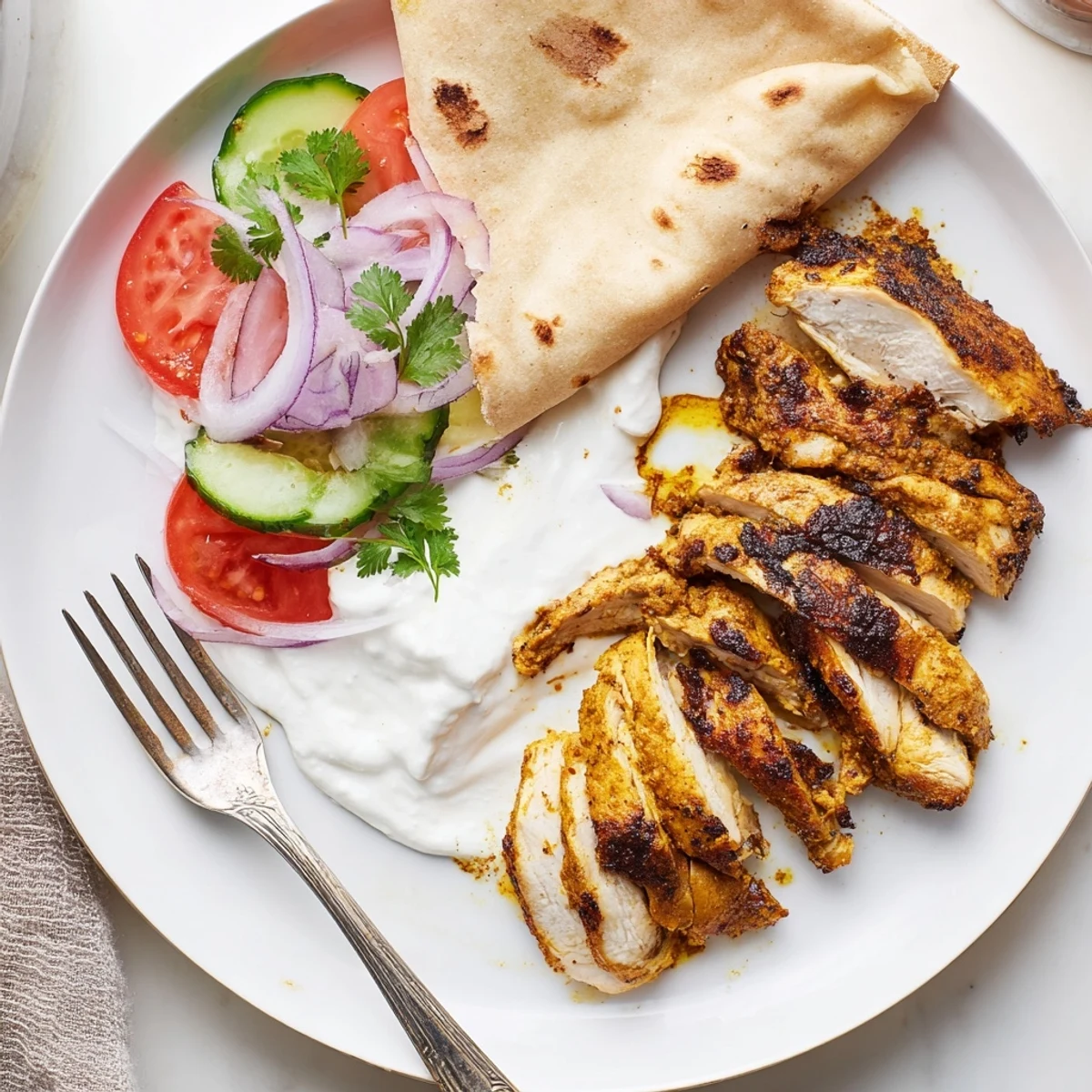
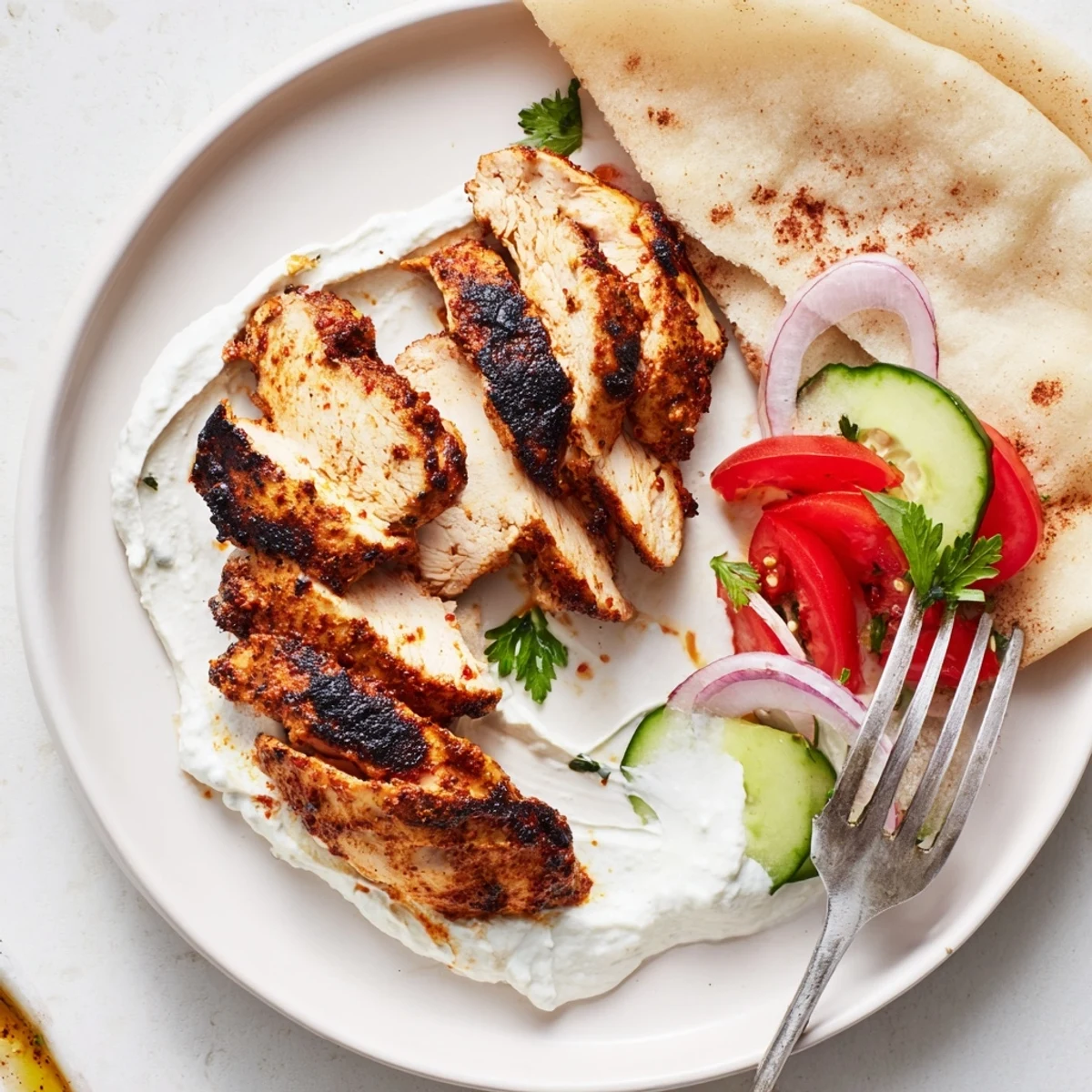
 Marinated shawarma chicken gains depth from cumin, coriander, smoked paprika and lemon, then is seared or grilled until charred and juicy. The garlic emulsion (toum) is made by slowly drizzling oil into blended garlic, alternating with lemon and a splash of ice water for stability. Serve sliced in warm pitas or over rice with fresh vegetables and herbs; marinate overnight for best flavor.
The mere aroma of sizzling spices, drifting from my kitchen one rainy Saturday, had neighbors poking their heads into the hall and asking what I was cooking. Shawarma chicken always has this way of filling a home with anticipation even before you slice into it. I never planned for it to become my weeknight “wow” dish, but it’s irresistible––that cloud of warm turmeric and cumin, whispers of garlic, and lemony tang that beckon from the skillet. There’s a thrill in pouring homemade garlic sauce over everything, because nothing from a bottle or jar ever quite measures up.
A few months ago, my cousin called to say she had a rough week, so I made this shawarma chicken for us both. We sat at my little kitchen table, folding warm bread around the juicy spiced chicken while she vented, and by the time we finished, she was actually smiling. That particular dinner made my kitchen feel like the most comforting place on earth. That was when I realized how food could be a quiet kind of celebration, even on ordinary nights.
Ingredients
- Boneless, skinless chicken thighs: They stay tender and soak up every bit of marinade flavor (if you can, trim any extra fat for a great bite).
- Plain yogurt (or non-dairy yogurt): This helps tenderize the chicken and adds a subtle tang; I once tried skipping it, and the result just didn’t measure up.
- Olive oil: Adds richness and ensures a gorgeous, golden crust when grilling or searing.
- Lemon juice: Essential for brightening up the spices; fresh lemon juice always outperforms bottled.
- Fresh garlic cloves: There’s no shortcut here—real garlic brings depth to both the marinade and sauce.
- Cumin, coriander, smoked paprika, turmeric, cinnamon, cayenne: The backbone of that classic shawarma warmth and color; don’t skimp.
- Salt and black pepper: Simple, but crucial for balance.
- Neutral oil (for garlic sauce): Canola or sunflower keeps the focus on the garlic rather than the oil itself; extra-virgin olive oil is too strong.
- Pita breads or flatbreads: The perfect vehicle—always warm them lightly just before serving.
- Tomato, cucumber, red onion, fresh parsley/cilantro: They add brightness and crunch, and I’ve found a sprinkle of chopped herbs makes every bite more refreshing.
Instructions
- Mix up the marinade:
- Scooping yogurt into a big bowl, you’ll mix it with olive oil, lemon juice, garlic, and all those vibrant spices—the color alone is a promise of flavor. Add the chicken and turn each piece lovingly until well coated, then cover and stash in the fridge for at least an hour so the flavors really get acquainted.
- Whip up the garlic sauce:
- Peel the garlicky armor from each clove and blitz with salt in your food processor; patience is key as you slowly pour in the oil, alternating with lemon juice. You’ll know you’ve nailed it when it turns fluffy and almost white, like a savory cloud—add a splash of ice water if it looks too dense.
- Cook that glorious chicken:
- Get your grill, skillet, or pan piping hot, then lay the chicken down, hearing that sizzle as it sears—aim for those beautiful charred edges. Cook both sides until browned and just cooked through (about 5–7 minutes per side), then let them rest briefly before slicing into ribbons.
- Assemble and serve:
- Spread a good spoonful of garlic sauce over pillowy warm bread, pile on slices of chicken, then top with fresh veggies and herbs. Roll it up, wrap, or pile onto a plate with rice or salad—the smell alone will draw everyone to the table.
 Save Pin
 There was this one summer evening when my friends and I ate shawarma wraps for dinner on the patio, laughing as the sun set and extra sauce dripped down our fingers. Nothing else was needed but napkins and extra rounds of pita. That’s when it clicked: some recipes really do create the room for memories to happen.
Secrets to Tender Shawarma Every Time
The real trick is patience: letting the marinade fully sink in pays dividends with every juicy bite. I’ve learned to prep the chicken the night before if I know a busy day is ahead, and it takes all the stress out of cooking later. A little char on the edges—not just color—makes the flavors deeper and more satisfying. Resting the meat before slicing keeps all the juices right where they belong.
Making Toum That Truly Wows
The first few times I tried making toum (the legendary garlic sauce), I blitzed everything too fast and ended up with a soupy, separated mess—humbling, but fixable! If you stream the oil in as slowly as humanly possible, you’re rewarded with a sauce that’s almost spreadable and so bright. Taste as you go: some lemons are punchier than others, so tweak it. Chill the sauce before serving for an even fluffier texture.
Customizing to Suit Every Table
The beauty of shawarma is how endlessly versatile it is: pack it into fluffy pita, serve it over a rice bowl, or toss on some crunchy greens for a lighter meal. Swapping in chicken breast works if that’s what’s on hand, though thighs will always be juicier. Extra pickles or shredded lettuce never hurt—and if you have leftover garlic sauce, drag roasted potatoes through it.
- Heat your pita or flatbread until just warm before assembling—the difference is real.
- Slice veggies thinly so they tuck in easily and give every bite brightness.
- Don’t be shy with the herbs—they wake up every flavor.
 Save Pin
 For all its bold flavor, shawarma chicken is surprisingly forgiving—and always impressive. The hands come together, the laughter starts, and suddenly dinner feels like something way more special than a weeknight routine.
Recipe FAQs
- → How long should the chicken marinate?
-
Marinate at least 1 hour to allow the spices and lemon to penetrate. For best depth of flavor, refrigerate overnight up to 24 hours. Avoid much longer to prevent texture breakdown from the acid.
- → How do I get a stable garlic emulsion (toum)?
-
Use cold ingredients, blend garlic and salt first, then drizzle oil very slowly while the processor runs. Alternate small amounts of oil with lemon juice and add a tablespoon of ice water if the emulsion looks grainy—this helps it come together into a light, fluffy sauce.
- → Which cut of chicken works best?
-
Boneless skinless thighs are preferred for juiciness and flavor retention during high-heat searing. Breasts can be used if you prefer leaner meat but expect shorter cook times and a drier result.
- → Can I cook this in the oven instead of grilling?
-
Yes — bake at 425°F (220°C) for about 20–25 minutes until cooked through, then broil briefly to develop charred edges. Slice and rest before serving to keep juices locked in.
- → How can I prevent the garlic from tasting too sharp?
-
Measure garlic carefully and blend it thoroughly into the emulsion. Lemon and salt help balance intensity. Chilling the sauce for a short time can also mellow raw garlic's bite.
- → What’s the best way to store leftovers?
-
Store chicken and garlic sauce separately in airtight containers in the fridge for 3–4 days. Reheat chicken gently in an oven or skillet to avoid drying out. If the emulsion separates, rewhip briefly before serving.