
 Save Pin
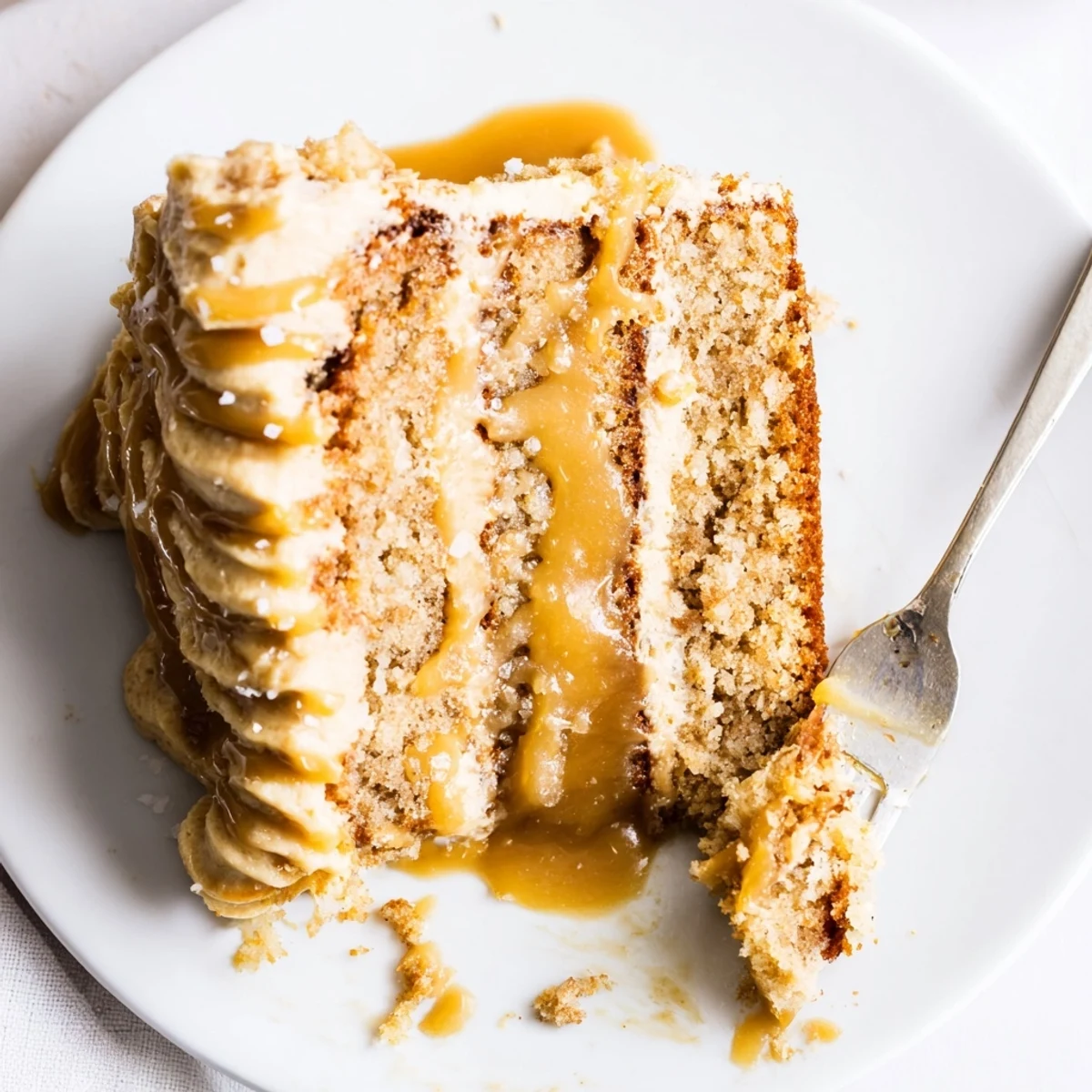
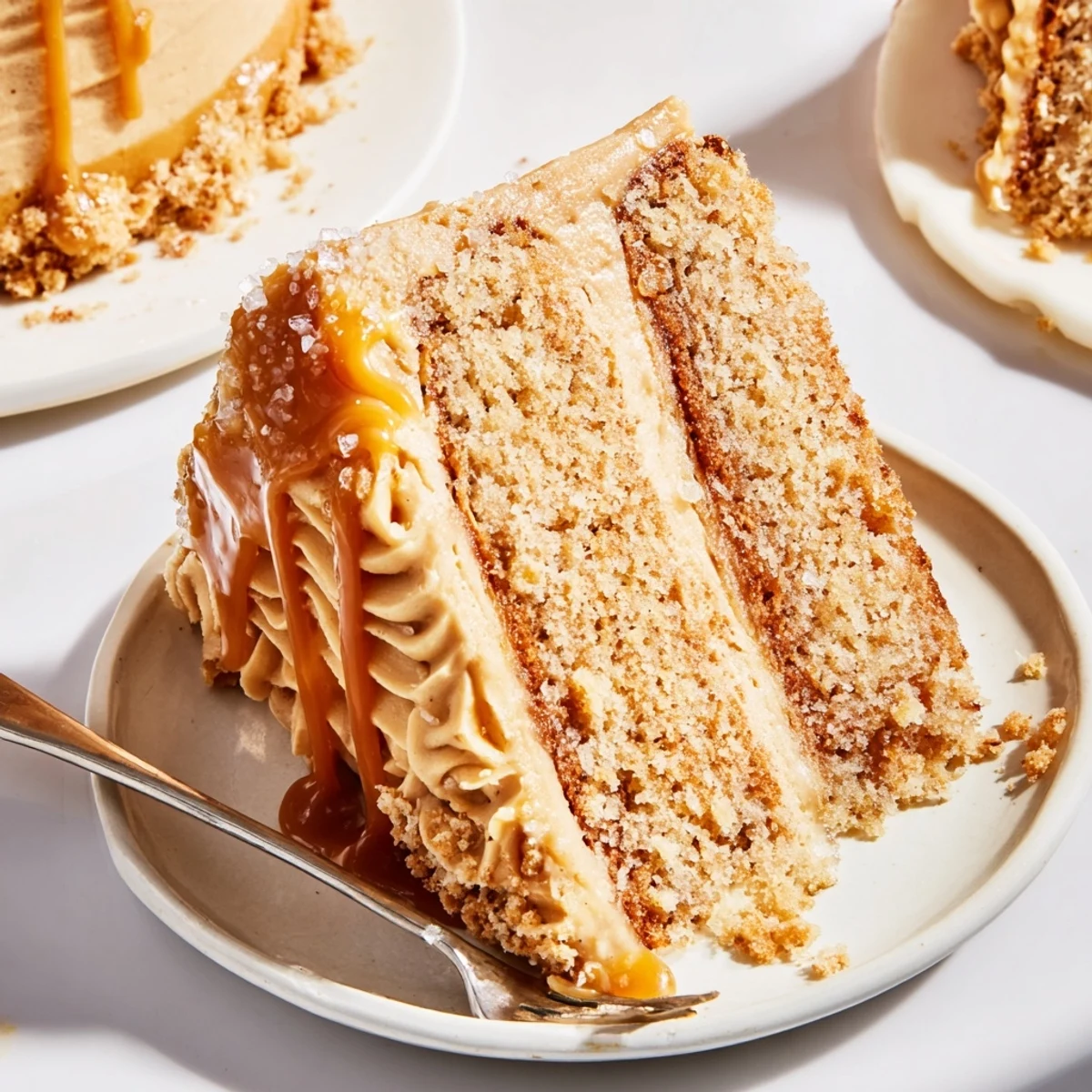
 This indulgent banana cake combines the natural sweetness of ripe bananas with the rich, nutty flavor of browned butter. The result is an incredibly moist and tender base that's perfectly complemented by layers of homemade salted caramel sauce. A creamy caramel frosting crowns the creation, adding the ideal balance of sweetness and subtle saltiness that makes each bite irresistible.
The process begins with browning butter to develop those characteristic toasty notes, then incorporating mashed bananas for moisture and depth. While the cakes bake, you'll prepare a classic salted caramel by melting sugar until amber, then whisking in butter, cream, and flaky sea salt. The frosting comes together quickly by beating softened butter with powdered sugar and incorporating portions of that luscious caramel sauce.
The smell of bananas browning on my counter was driving me crazy for three days straight until I finally caved and turned them into something extraordinary. Brown butter was my gamble, a last minute impulse that transformed an ordinary banana cake into something my sister now requests for every single birthday. The salted caramel drizzle on top seals the deal.
I brought this cake to a potluck last autumn and watched people abandon an entire dessert table just to get near it. One friend stood over the platter with a fork, not even pretending she was going to share her slice.
Ingredients
- Unsalted butter (170 g): You will brown every gram of this for the cake and the color change from golden to amber happens faster than you think.
- All purpose flour (300 g): Spoon it into your measuring cup and level it off to avoid a dense crumb.
- Baking soda (1 tsp): This works with the acidity of buttermilk to give the cake its lift.
- Salt (1/2 tsp for cake, plus more for caramel and frosting): Do not skip this, it sharpens every flavor.
- Ripe bananas, mashed (about 1 1/2 cups): The darker the peel the sweeter and more intense the banana flavor becomes.
- Granulated sugar (200 g for cake, 200 g for caramel): Split between the cake batter and the caramel sauce.
- Brown sugar, packed (100 g): This adds moisture and a gentle molasses note that pairs beautifully with banana.
- Large eggs (2): Room temperature eggs blend more smoothly into the batter.
- Buttermilk (120 ml): If you have none, a splash of vinegar in regular milk works in a pinch.
- Vanilla extract (2 tsp): Use the real stuff here because fake vanilla shows in a cake this simple.
- Water (60 ml for caramel): Just enough to help the sugar melt evenly before it caramelizes.
- Heavy cream (120 ml for caramel, plus 1 to 2 tbsp for frosting): Room temperature cream prevents the caramel from seizing when you pour it in.
- Flaked sea salt (1 tsp for caramel, plus garnish): This is what makes the caramel sing rather than just sit there being sweet.
- Powdered sugar, sifted (240 g): Sifting is nonnegotiable unless you enjoy lumpy frosting.
Instructions
- Brown the butter:
- Melt the butter in a saucepan over medium heat, swirling the pan often, until it turns golden brown and smells like toasted hazelnuts. Pour it into a bowl immediately because it can go from perfect to burnt in seconds.
- Prep your pans and oven:
- Heat the oven to 175 degrees C (350 degrees F) and grease two 20 cm cake pans with flour. Line the bottoms with parchment if you want a guaranteed clean release.
- Whisk the dry ingredients:
- Combine the flour, baking soda, and salt in a medium bowl and give everything a good whisk. Set it aside while you work on the wet mixture.
- Build the wet batter:
- In a large bowl, stir together the mashed bananas, both sugars, eggs, buttermilk, vanilla, and that beautiful brown butter until evenly combined. The batter will smell incredible already.
- Marry wet and dry:
- Gently fold the flour mixture into the banana mixture using a spatula, stopping when you still see a few streaks of flour. Overmixing is the enemy of tender cake.
- Bake and cool:
- Divide the batter between your prepared pans and bake for 35 to 40 minutes, or until a toothpick slides out clean. Let the layers rest in their pans for 10 minutes before turning them out onto racks.
- Make the salted caramel sauce:
- Combine sugar and water in a saucepan over medium heat and do not stir, just watch and swirl gently until it turns a deep amber color. Remove from heat, stir in the cubed butter, then carefully whisk in the cream before adding the sea salt.
- Whip up the frosting:
- Beat the softened butter until creamy, then gradually add sifted powdered sugar and a pinch of salt. Blend in 4 to 5 tablespoons of your cooled caramel sauce and a splash of milk until the frosting is silky and spreadable.
- Assemble the cake:
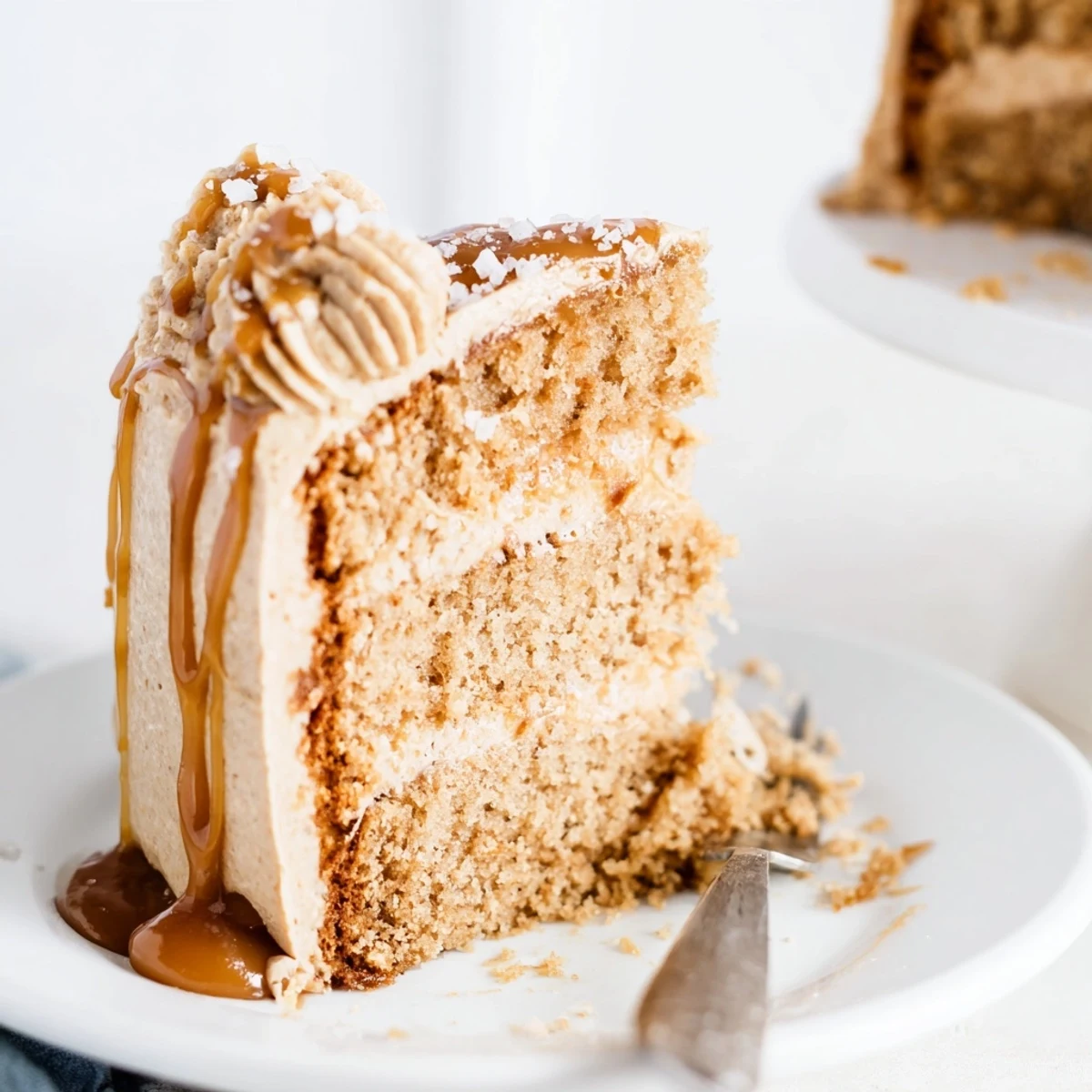
- Place one layer on a plate, spread frosting across the top, and drizzle generously with caramel sauce. Stack the second layer, frost the whole cake, and finish with more caramel drizzle and a sprinkle of flaked salt.
 Save Pin
 The moment I cut into this cake for the first time and saw the caramel layer peeking through the middle, I knew it was going to become a permanent fixture in my recipe box.
Getting the Brown Butter Right
Brown butter walks a razor thin line between nutty perfection and a burnt mess at the bottom of your pan. The key is pulling it off the heat the instant you see tiny dark flecks and smell that warm, toasty aroma. It will continue cooking in the residual heat of the pan so transfer it to a heatproof bowl immediately.
Caramel Without the Panic
Making caramel from scratch intimidates a lot of home cooks but the real secret is simply patience and distance. Stand back when adding the cream and use your longest whisk. If your caramel seizes into a clumpy mess, just return it to low heat and stir gently until it smooths out again.
Serving and Storing
This cake tastes even better on the second day when the flavors have had time to mingle and the frosting has settled into the crumb. Keep it in the fridge covered tightly and bring slices to room temperature before eating for the best texture.
- Toasted pecans or walnuts tucked between the layers add a wonderful crunch.
- A scoop of vanilla bean ice cream on the side turns a slice into a full dessert experience.
- This cake freezes well wrapped tightly in plastic for up to two months.
 Save Pin
 Every time I bake this cake the kitchen fills with the warmest, most inviting aroma, and for a brief moment the whole house feels perfectly content.
Recipe FAQs
- → How do I know when the butter is properly browned?
-
The butter is ready when it turns a golden-amber color and releases a distinct nutty aroma. This typically takes 5-7 minutes over medium heat. Swirl the pan frequently to ensure even browning, and remove from heat immediately once you see golden brown milk solids at the bottom of the pan.
- → Can I make the caramel sauce in advance?
-
Absolutely. The salted caramel sauce can be prepared up to two weeks ahead and stored in an airtight container in the refrigerator. Simply reheat gently in the microwave or on the stove before using, adding a splash of cream if it becomes too thick.
- → What's the best way to store leftovers?
-
Store any leftover cake in an airtight container in the refrigerator for up to 4 days. The caramel components make this dessert best kept chilled. Bring to room temperature for 30 minutes before serving for the best texture and flavor.
- → Why is my caramel sauce grainy?
-
Graininess occurs when sugar crystals form during the caramelization process. To prevent this, avoid stirring the sugar and water mixture as it heats—simply swirl the pan gently. If crystals do form, you can strain the sauce through a fine-mesh sieve while it's still warm.
- → Can I use frozen bananas?
-
Yes, frozen and thawed bananas work beautifully and actually release more liquid, creating an even moister crumb. Thaw completely, drain any excess liquid before mashing, and proceed with the recipe as directed.