
 Save Pin
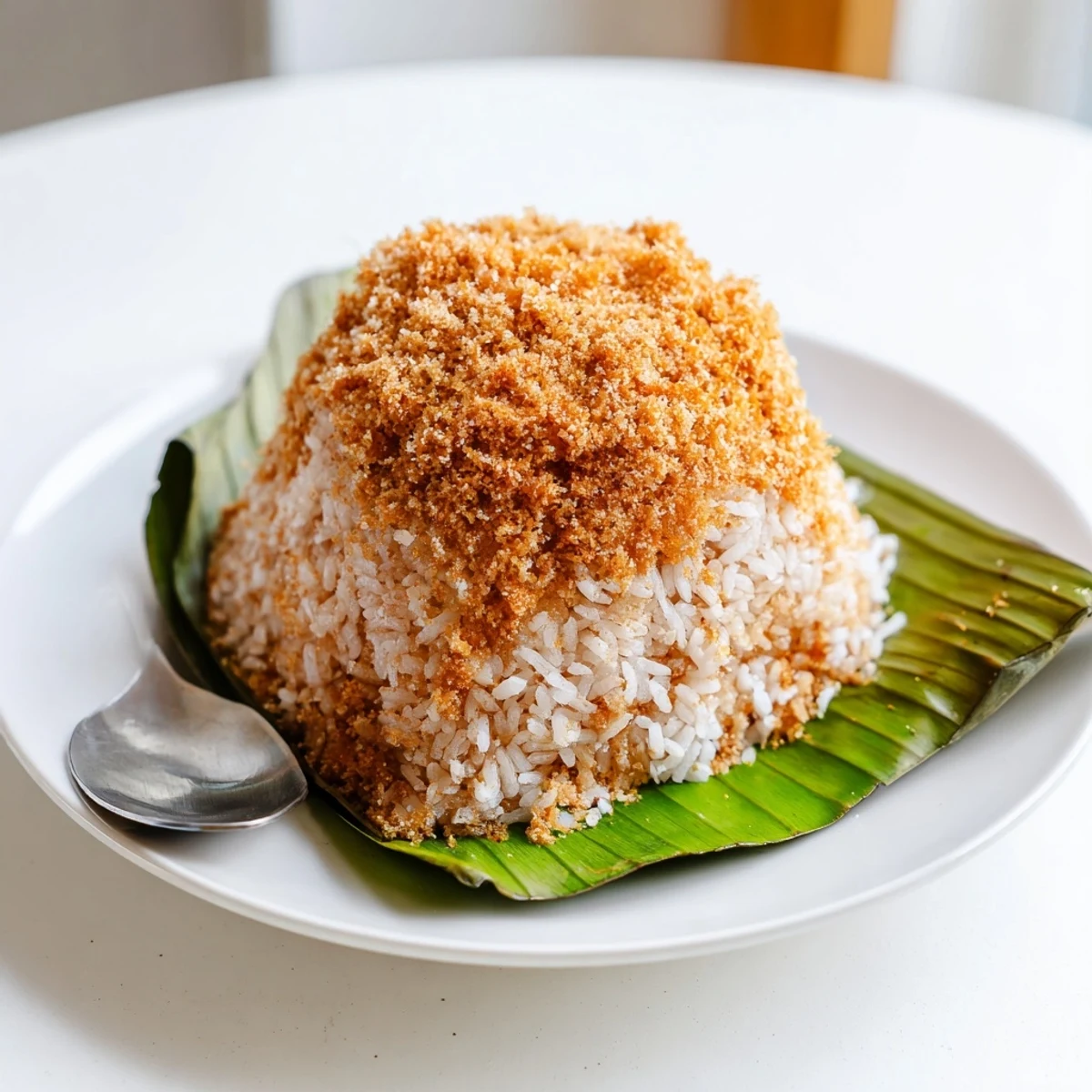
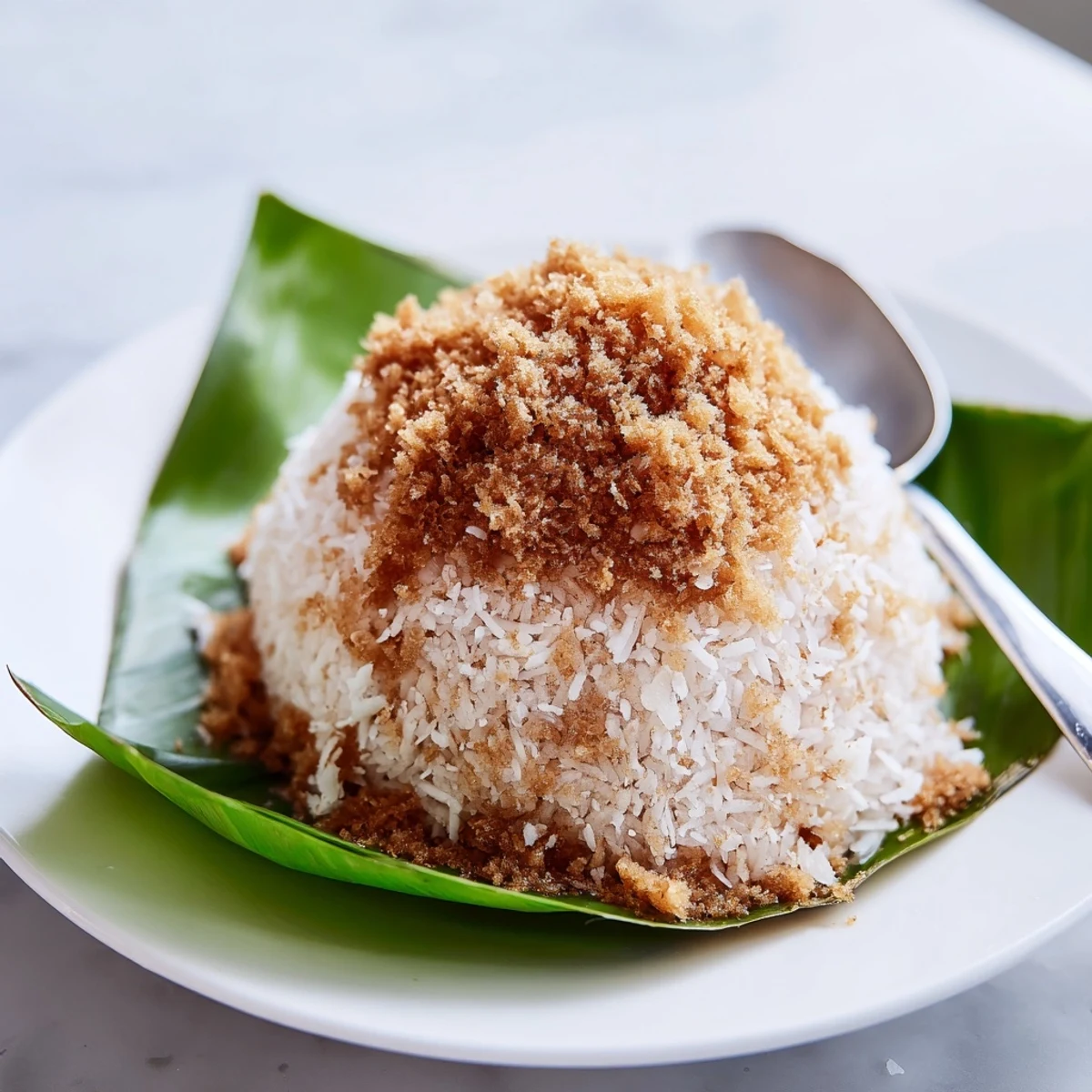
 Pulut Inti represents one of Malaysia's most cherished traditional kuih, combining sticky glutinous rice with a luscious sweet coconut topping. The rice steams in aromatic coconut milk until perfectly tender, while the topping features fresh grated coconut cooked with gula Melaka (palm sugar) until fragrant and caramelized. This sweet treat traditionally wraps in banana leaves, which impart subtle earthy notes while keeping the layers intact.
Preparing Pulut Inti requires soaking the glutinous rice for several hours to achieve the right texture, then steaming it with seasoned coconut milk. The coconut topping needs careful stirring over low heat to prevent drying while ensuring proper consistency. Assembly involves pressing the rice into portions and topping generously with the sweet coconut mixture before wrapping in softened banana leaves.
The result offers a beautiful contrast of textures—soft, sticky rice against the slightly grainy, sweet coconut topping. The optional blue pea flower extract adds visual appeal with its natural indigo hue. While delicious at room temperature, lightly reheating enhances the aromas and makes the rice even more tender.
The morning sun hit my grandmother's kitchen windows just as she unwrapped the banana leaf parcels, the steam carrying that impossible blend of coconut and palm sugar through the entire house. I'd been watching her prepare pulut inti for hours, fascinated by how something so simple could make the whole neighborhood seem to pause. When she finally pressed a warm bundle into my hands, the sticky rice clinging to my fingers, I understood why this kuih appears at every celebration worth remembering.
Last Ramadan, I attempted to make these for our neighborhood iftar gathering, only to realize I'd forgotten to soak the rice the night before. Everyone ended up sitting around my kitchen table, chatting and helping me fold the banana leaf wrappers while the rice steamed, turning what could have been a disaster into one of my favorite memories of the whole month. Sometimes the imperfect cooking moments become the ones we talk about years later.
Ingredients
- 1 cup glutinous rice: Soaking this overnight isn't optional, it's what transforms hard grains into the pillow-soft foundation that makes pulut inti unforgettable
- 2/3 cup coconut milk: This steams into the rice grains, infusing every single bite with that creamy coconut essence that defines Malaysian kuih
- 1/4 tsp salt: Just enough to make the coconut milk sing without competing with the sweet topping
- 1-2 drops blue pea flower extract: completely optional but creates that stunning blue rice that makes everyone ask what you did differently
- 1 cup grated fresh coconut: Use only the white part, any brown pieces will make your topping look speckled and less pristine
- 1/2 cup palm sugar: Gula Melaka has this smoky caramel complexity that brown sugar simply cannot replicate
- 1/4 cup water: Just enough to dissolve the palm sugar without making the coconut mixture watery
- 1 pandan leaf: The knotted leaf releases this subtle vanilla-like fragrance while the sugar dissolves
- Banana leaves: These aren't just for presentation, they impart an earthy aroma that ties everything together
Instructions
- Prepare the rice foundation:
- Drain those soaked grains until they're perfectly dry, then toss them with coconut milk, salt, and blue pea extract if you're feeling fancy. Mix everything thoroughly so each grain gets coated in that creamy coconut milk.
- Steam until tender:
- Set up your steamer over high heat and let the rice cook for 30 to 35 minutes, giving it a gentle stir halfway through. You'll know it's done when the grains are completely translucent and stick together when pressed.
- Create the sweet coconut filling:
- Combine palm sugar, water, and that knotted pandan leaf in a saucepan over medium heat. Let the sugar completely dissolve into a fragrant syrup before removing the pandan leaf.
- Cook the coconut mixture:
- Add the grated coconut and salt, then reduce heat to low while stirring constantly. Keep going for 5 to 8 minutes until the mixture holds together but isn't wet or sticky anymore.
- Wrap each parcel:
- Place about 2 tablespoons of rice on each banana leaf square and flatten it slightly. Top generously with the coconut mixture, then fold the leaf around everything while leaving the top exposed.
- Serve with joy:
- These are perfect at room temperature but become something transcendent when served slightly warm, the banana leaf still fragrant from the heat.
 Save Pin
 My daughter now requests these for her school potlucks, watching with wide eyes as I fold each banana leaf parcel. She insists on helping with the wrapping, her small fingers fumbling through the folds until she gets it right, and suddenly I'm my grandmother all over again, passing down something that feels like love in edible form.
Making It Your Own
I've experimented with adding a pinch of cinnamon to the coconut topping when I couldn't find pandan leaves, and while purists might protest, the warmth it adds is actually quite lovely. The blue color from pea flowers is purely for visual drama, but there's something about serving unexpectedly blue food that makes people smile before they even take a bite.
The Banana Leaf Secret
Passing each leaf quickly over an open gas flame makes them more pliable and releases their natural oils, which is why restaurant versions always seem to have that extra something. If you're working with frozen banana leaves, let them thaw completely and wipe them dry before softening them in hot water.
Timing Everything Perfectly
The coconut topping needs to cool completely before you start assembling, or it'll make your banana leaves soggy and difficult to work with. Make the topping first, then set it aside while you steam the rice, giving everything time to reach the perfect temperature for wrapping.
- Leftovers re-steam beautifully in about 5 minutes if they've been refrigerated
- The banana leaf wrappers will keep the pulut inti moist for up to a day at room temperature
- These freeze well if wrapped tightly in plastic, though the banana leaves won't be as fragrant after thawing
 Save Pin
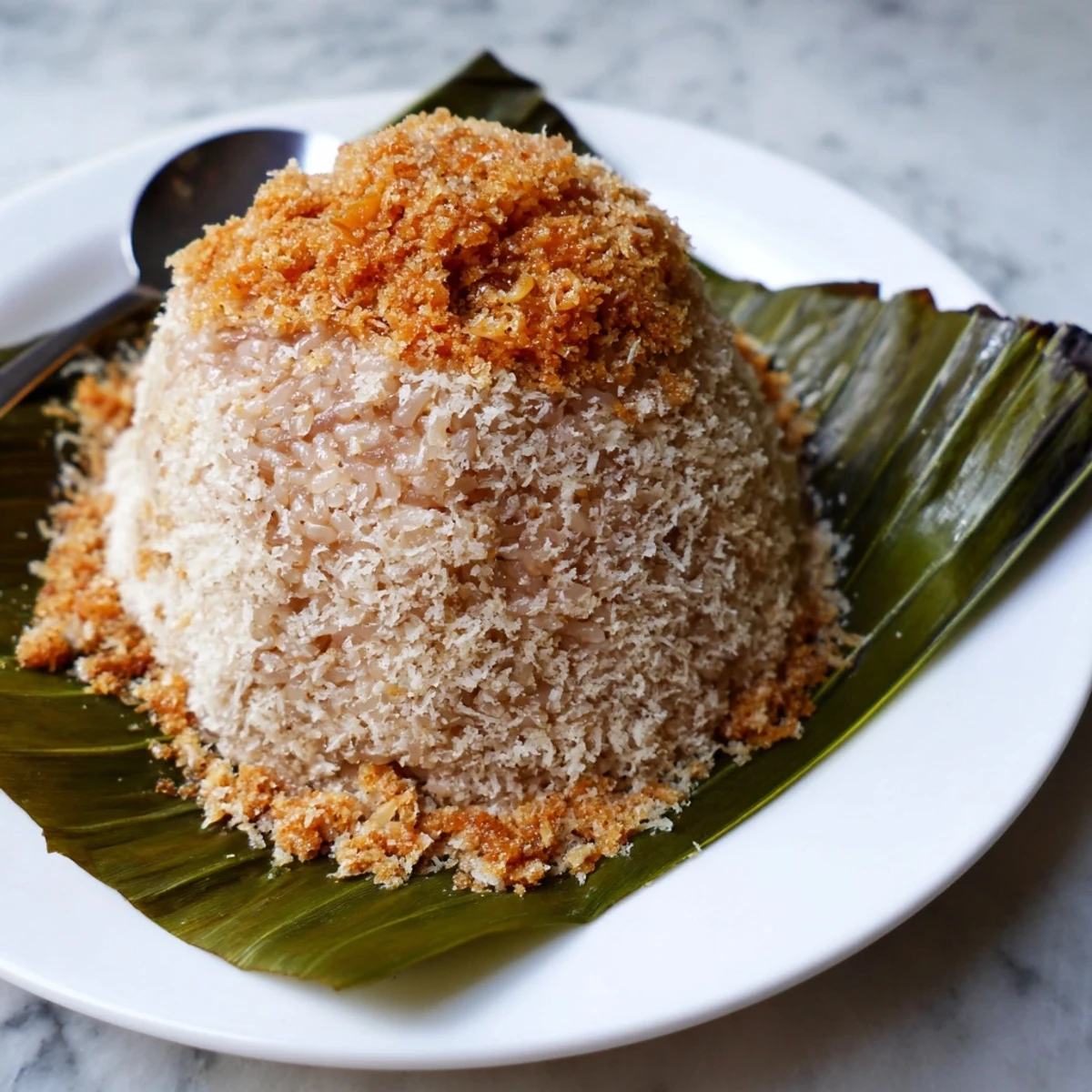
 There's something deeply satisfying about unwrapping each banana leaf parcel, the steam still rising, knowing you've created something that connects you to generations of cooks who've stood in kitchens before you.
Recipe FAQs
- → What makes Pulut Inti special in Malaysian cuisine?
-
Pulut Inti holds a special place in Malaysian kuih culture as a traditional dessert often served during festivals, celebrations, and afternoon tea. The combination of glutinous rice and sweet coconut reflects the tropical abundance of Southeast Asian ingredients. The banana leaf wrapping not only preserves the authenticity but also imparts a subtle aromatic quality that enhances the overall experience.
- → Can I make Pulut Inti without banana leaves?
-
Absolutely. While banana leaves provide traditional presentation and aroma, you can serve Pulut Inti on small plates or use parchment paper as an alternative wrapping. The flavors remain delicious even without the banana leaf component. Simply press the rice onto plates and top with the coconut mixture for serving.
- → How long should I soak glutinous rice before cooking?
-
Soak glutinous rice for at least 4 hours, though overnight soaking yields the best results. Proper soaking ensures the rice steams evenly and achieves the desired tender, sticky texture. The grains absorb water and soften, which is crucial for proper cooking and the authentic mouthfeel of this traditional kuih.
- → What can I substitute for palm sugar (gula Melaka)?
-
Dark brown sugar or coconut sugar makes the closest substitute for gula Melaka. While the flavor profile will differ slightly—palm sugar has a distinctive caramel-like taste with subtle smoky notes—the substitution works well in a pinch. Adjust quantities to taste as brown sugar may be less intense than traditional palm sugar.
- → How do I store Pulut Inti and maintain freshness?
-
Keep Pulut Inti in an airtight container at room temperature for up to one day. For longer storage, refrigerate for 2-3 days, though the texture may firm slightly. Before serving refrigerated portions, re-steam for a few minutes or warm gently in the microwave to restore the soft, tender texture of the glutinous rice.
- → Is blue pea flower extract necessary for this dish?
-
Blue pea flower extract is entirely optional and primarily serves an aesthetic purpose. It creates the striking indigo hue sometimes seen in Pulut Inti, but the traditional version features plain white rice. The flavor remains unchanged whether you include the natural coloring or not. Omit it if unavailable or if you prefer the classic appearance.