
 Save Pin
 Master the art of creating perfect Japanese takoyaki with this authentic street food recipe. These savory octopus-filled balls feature a crispy exterior and tender, fluffy interior that made them famous across Osaka and beyond.
The batter combines flour, eggs, and dashi stock to create a light, pourable consistency that crisps beautifully in the special molded pan. Each ball contains a chunk of cooked octopus along with pickled ginger, green onions, and crispy tempura scraps for texture contrast.
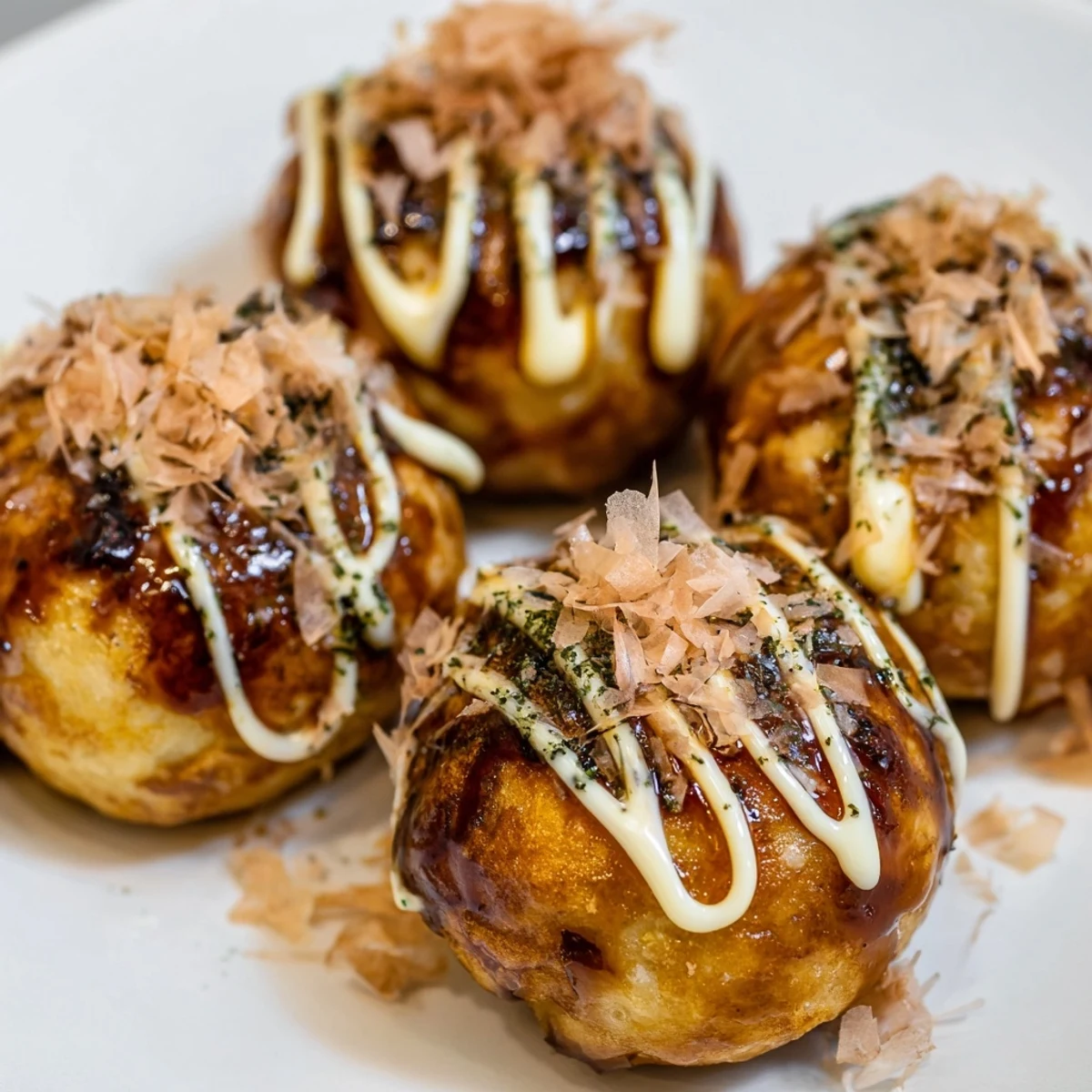
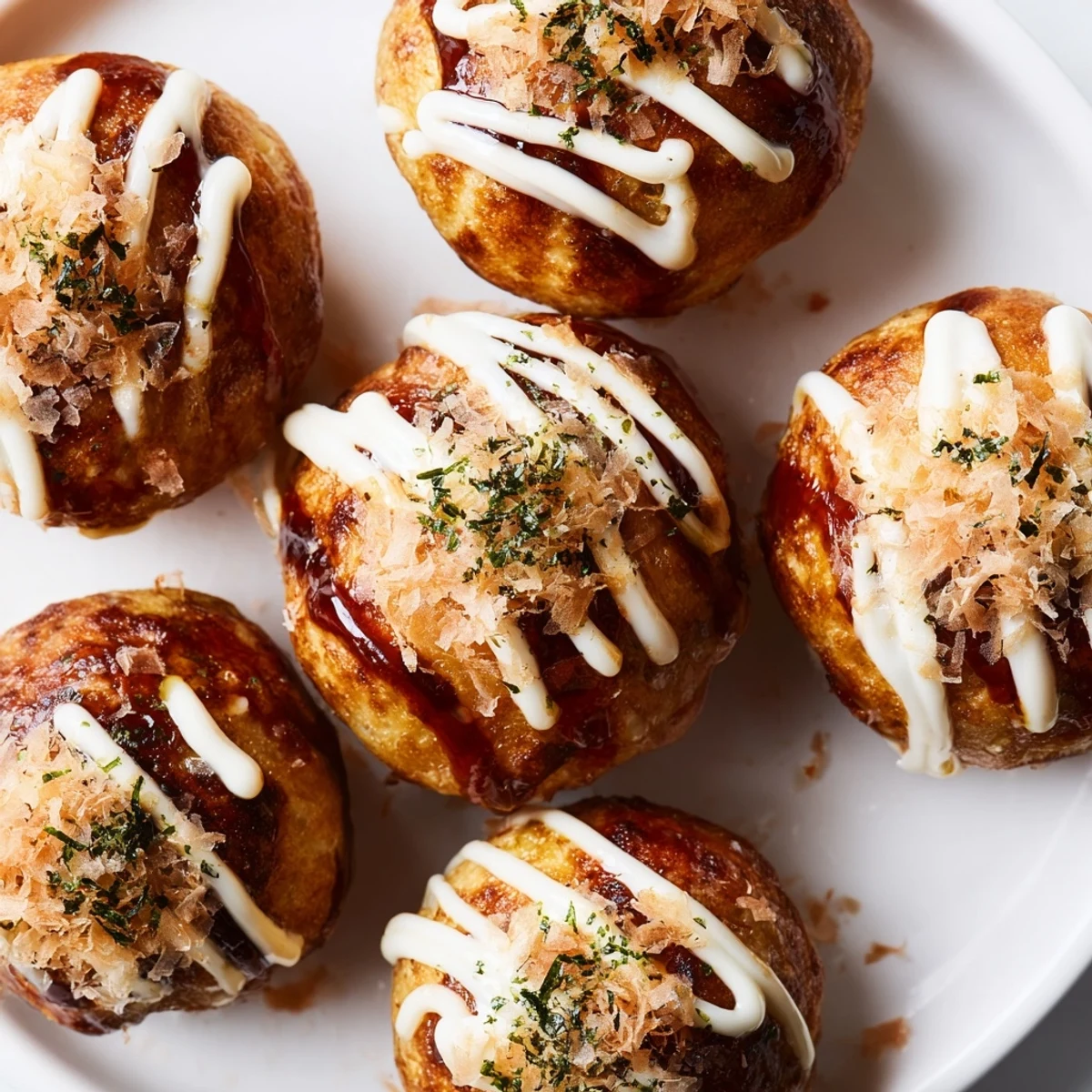
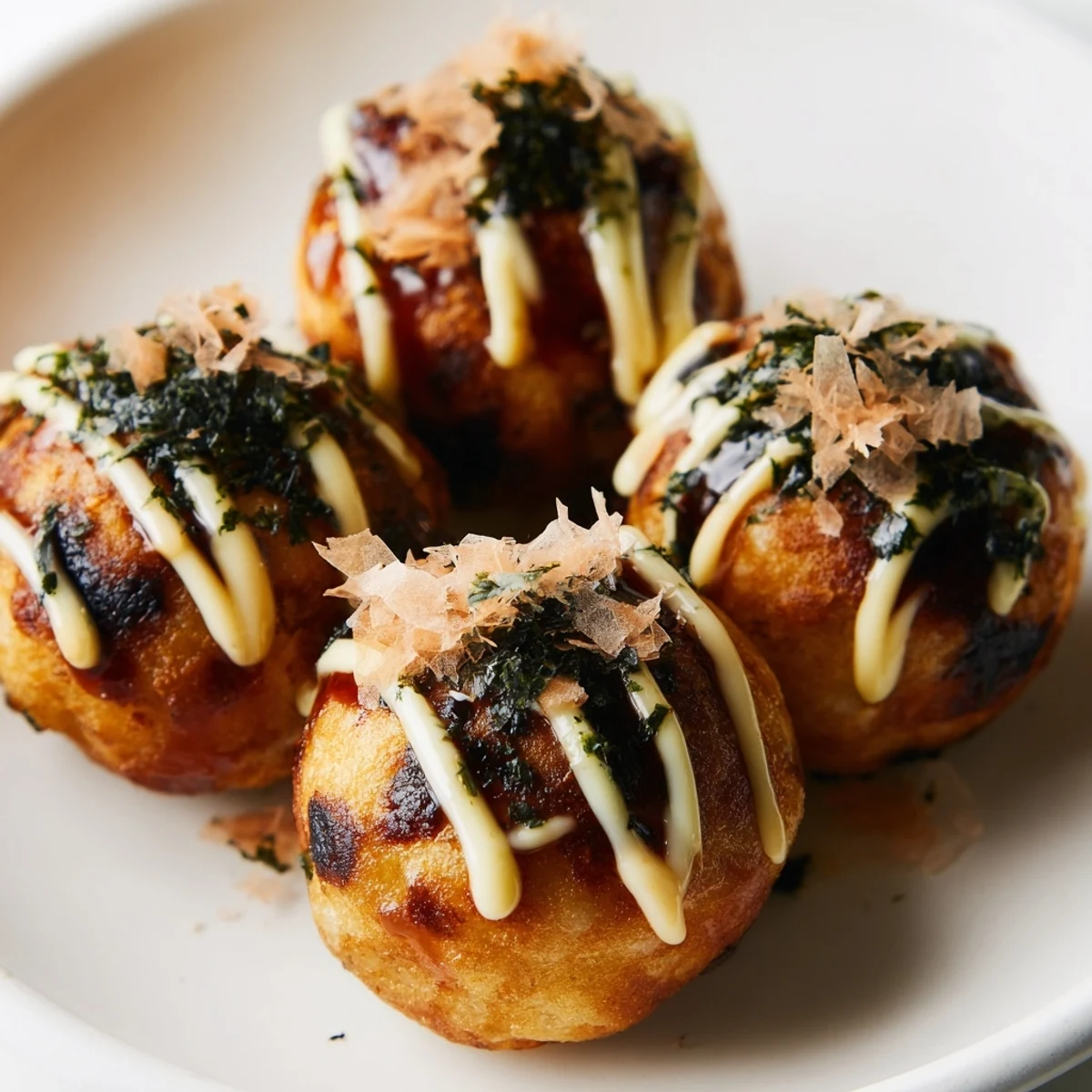
The traditional toppings transform these simple dumplings into flavor-packed bites: a sweet-savory sauce, creamy Japanese mayonnaise, nutty dried seaweed flakes, and smoky dancing bonito flakes that add impressive presentation.
While a specialty takoyaki pan is essential for the signature shape, the technique of turning the balls at precise intervals ensures even cooking and that perfect sphere. Serve immediately while hot and crispy for the ultimate street food experience at home.
The first time I encountered takoyaki was at a bustling street festival in Osaka, where the vendor worked two pans simultaneously with lightning precision. Steam curled into the night air as bonito flakes danced on the hot spheres, practically begging to be eaten right there. I bought a box and burned my tongue trying them too quickly, but that crispy exterior giving way to molten, tender center was absolutely worth it. Now my kitchen smells like dashi and happy memories whenever I make them.
Last summer, I invited friends over for a make your own takoyaki night, complete with all the toppings laid out in small bowls. Everyone crowded around the stove, taking turns with the skewers and laughing at our uneven first attempts. Some were perfectly round, others looked like lumpy rocks, but every single one disappeared within minutes. Theres something incredibly bonding about gathering around a hot pan, turning balls together, and eating them fresh off the iron.
Ingredients
- 200 g all-purpose flour: Forms the base of your batter, creating that essential structure that holds everything together
- 2 large eggs: Bind the batter and add richness, helping create that smooth, custard like interior texture
- 600 ml dashi stock: The soul of Japanese cooking, bringing deep umami that water simply cannot provide
- 1/2 tsp salt: Enhances all the flavors without overpowering the delicate octopus
- 1/2 tsp soy sauce: Adds a subtle depth and beautiful golden color to the batter
- 1/2 tsp baking powder: The secret to getting that lighter than air texture inside each sphere
- 150 g cooked octopus: The heart of traditional takoyaki, providing tender bites and authentic flavor
- 2 tbsp pickled red ginger: Cuts through the richness and adds bright, tangy pops of flavor
- 2 tbsp green onion: Fresh contrast to the rich batter and savory octopus
- 2 tbsp tempura scraps: Create irresistible crispy pockets throughout each takoyaki
- Takoyaki sauce: Sweet, tangy, and absolutely essential for the full experience
- Japanese mayonnaise: Creamy and rich, perfectly balancing the tangy sauce
- 1 tbsp aonori: Adds earthy, oceanic notes and beautiful green specks
- Bonito flakes: The finishing touch that adds smoky depth and dramatic presentation
Instructions
- Prepare your batter:
- Whisk together flour, eggs, dashi stock, salt, soy sauce, and baking powder until completely smooth, with no lumps remaining. The batter should be thin and pourable, similar to heavy cream.
- Heat your takoyaki pan:
- Preheat over medium heat and generously oil each compartment to prevent sticking and achieve maximum crispness.
- Fill and fill:
- Pour batter into each hole until completely full, then add one piece of octopus to every single compartment.
- Add the goodies:
- Sprinkle red ginger, green onion, and tempura scraps evenly across all the filled holes.
- Start the magic:
- Cook for 1 to 2 minutes until edges begin to set, then use skewers to turn each ball 90 degrees, letting uncooked batter flow out and form the round shape.
- Keep turning:
- Continue rotating every minute or so until all sides are evenly golden and crisp, about 8 to 10 minutes total.
- Plate and top:
- Remove from pan and arrange on plates, then drizzle with sauce and mayonnaise while still steaming hot.
- Finish with flair:
- Sprinkle with aonori and bonito flakes, watching them dance in the heat, and serve immediately.
 Save Pin
 My daughter now requests takoyaki for her birthday dinner every year, which tells you everything about how special these little spheres become. The tradition started when she was eight, and shes become quite skilled at turning them, often doing it better than I do now. Watching her carefully place each topping with such pride reminds me why cooking together matters so much.
Getting The Turn Right
The turning technique takes practice, so do not worry if your first batch looks more like odd rocks than perfect spheres. I spent years making what I affectionately called takoyaki pebbles before I got the motion down. The key is a quick wrist flick rather than slow, deliberate turning, and using two skewers gives you better control than chopsticks when you are starting out.
Batter Secrets
Letting your batter rest for 15 minutes before cooking makes a noticeable difference in the final texture. This allows the flour to fully hydrate and the baking powder to activate, resulting in those ethereally light centers we are after. I learned this from an elderly chef who told me patience is the invisible ingredient in great takoyaki.
Make It Your Own
While octopus is traditional, do not be afraid to experiment with fillings based on what you love or have on hand. Some of my best variations have come from necessity and curiosity rather than following strict rules.
- Cheese and corn creates a fun fusion version kids absolutely adore
- Shrimp or scallops work beautifully as a seafood alternative
- Keep the heat at medium rather than high, or you will burn the outside before the inside cooks through
 Save Pin
 There is pure joy in biting into a freshly made takoyaki while it is still almost too hot to eat. Gather your friends, pour some drinks, and make a night of turning these little spheres of happiness together.
Recipe FAQs
- → What is takoyaki made of?
-
Takoyaki consists of a batter made from flour, eggs, and dashi stock, filled with diced octopus, pickled ginger, green onions, and tempura scraps. The balls are cooked in a special molded pan until crispy on the outside and fluffy inside, then topped with sauce, mayonnaise, seaweed, and bonito flakes.
- → Can I make takoyaki without a takoyaki pan?
-
A takoyaki pan with half-sphere molds is essential for achieving the traditional round shape and proper cooking technique. While some creative cooks use alternative molds like cake pop pans or even muffin tins, the results won't be authentic. The special pan allows for the turning technique that creates the perfect sphere and crispy exterior.
- → What can I substitute for octopus?
-
While octopus is traditional, you can substitute cooked shrimp, squid, or even small cubes of mozzarella cheese for a different flavor profile. Some variations use cooked chicken, ground meat, or mixed vegetables. Just ensure whatever filling you choose is pre-cooked and cut into small cubes to fit inside the balls.
- → Why do my takoyaki fall apart when turning?
-
Takoyaki often fall apart if the batter hasn't set enough before turning or if the heat is too low. Wait until the edges are visibly firm and slightly golden before attempting the first turn. Using two skewers or chopsticks simultaneously helps maintain the shape. Practice makes perfect - the timing becomes intuitive after a few attempts.
- → How do I make homemade takoyaki sauce?
-
You can make a simple takoyaki sauce by combining equal parts Worcestershire sauce and ketchup with a splash of soy sauce and a touch of sugar or oyster sauce. Some recipes add a dash of mirin for sweetness. Adjust ratios to taste - the flavor should be tangy, slightly sweet, and umami-rich.
- → Can I freeze takoyaki?
-
Yes, cooked takoyaki freeze well. Allow them to cool completely, then freeze in a single layer on a baking sheet before transferring to an airtight container or bag. To reheat, place them in an oven or air fryer at 350°F (175°C) for about 8-10 minutes until heated through and crispy again. Avoid microwaving as they'll become soggy.