
 Save Pin
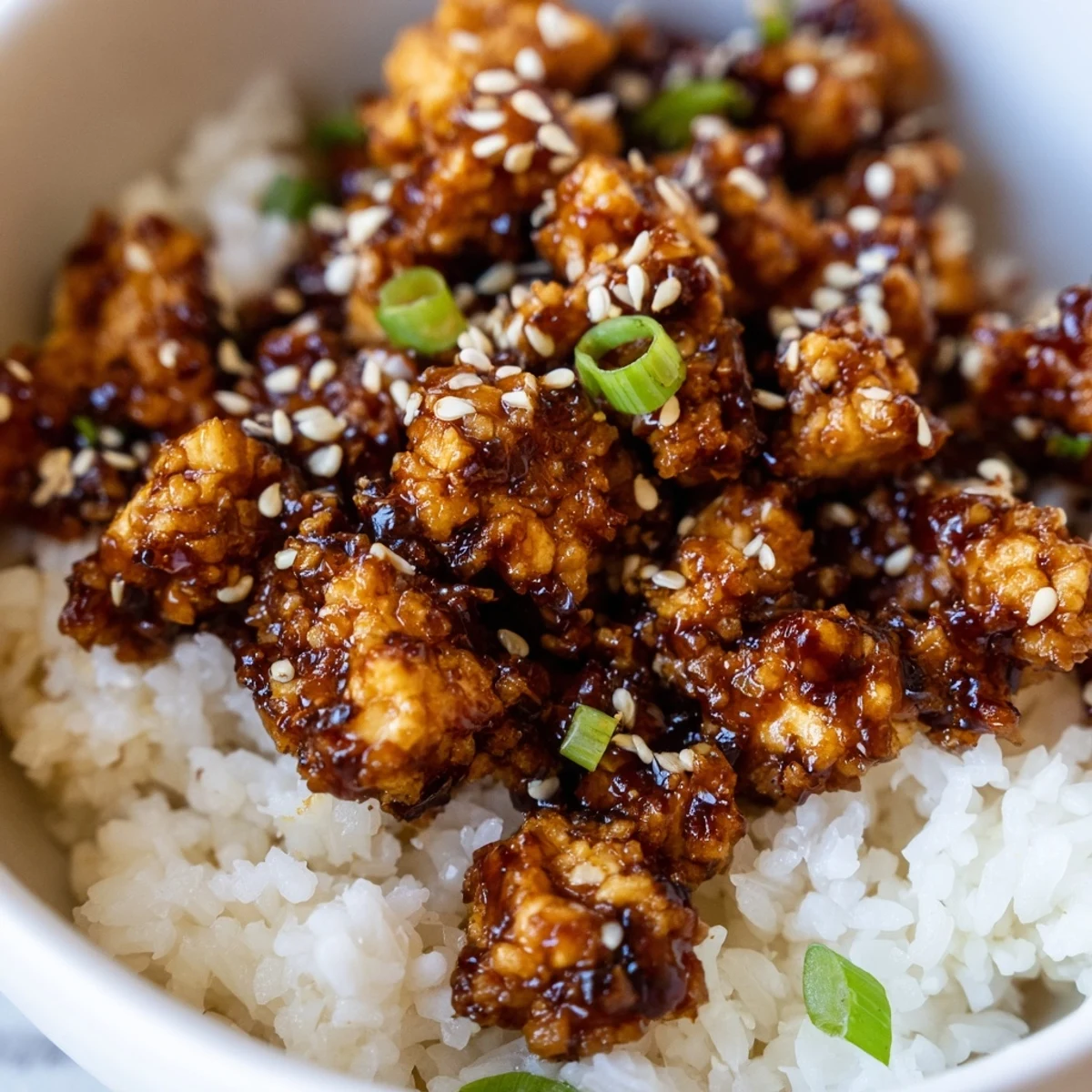
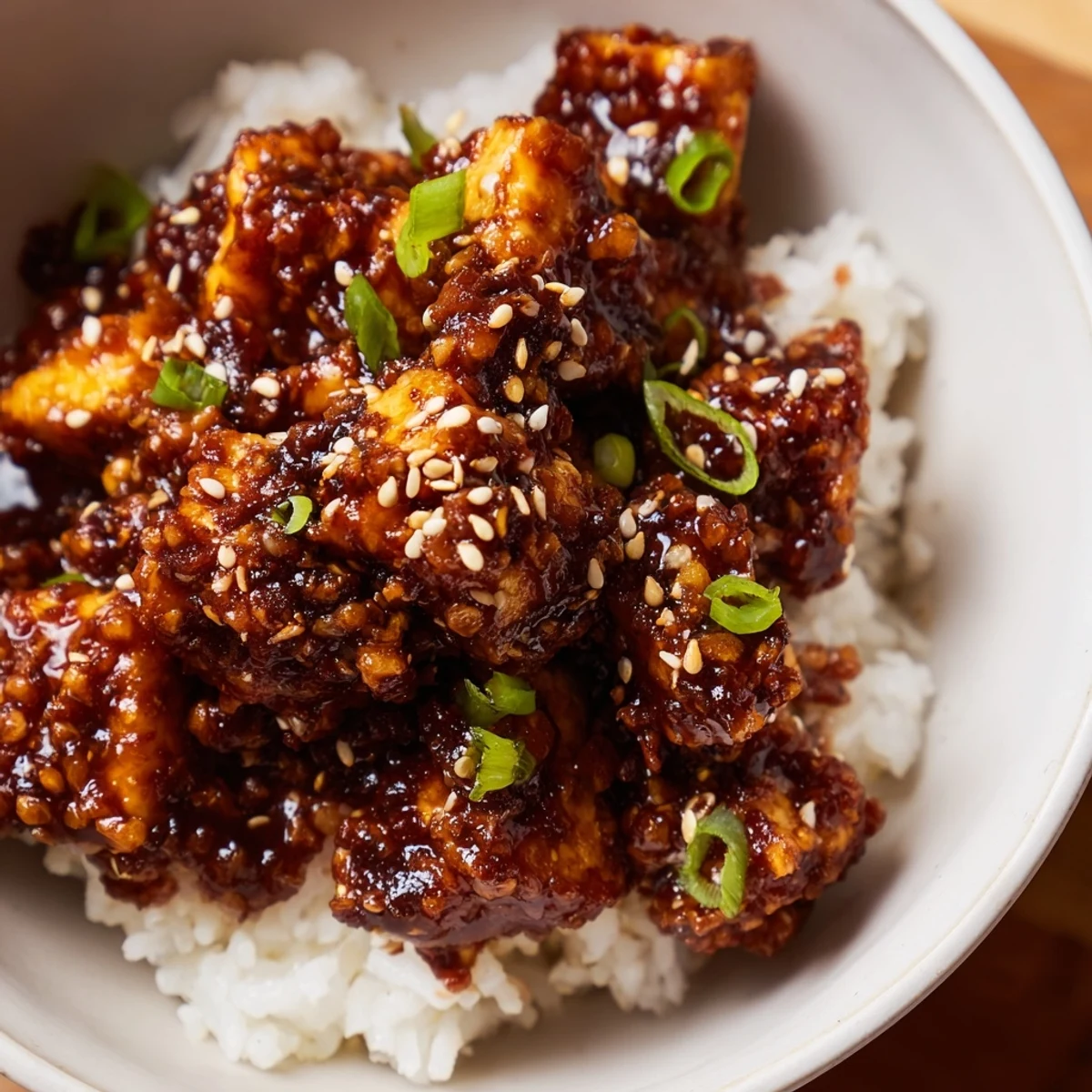
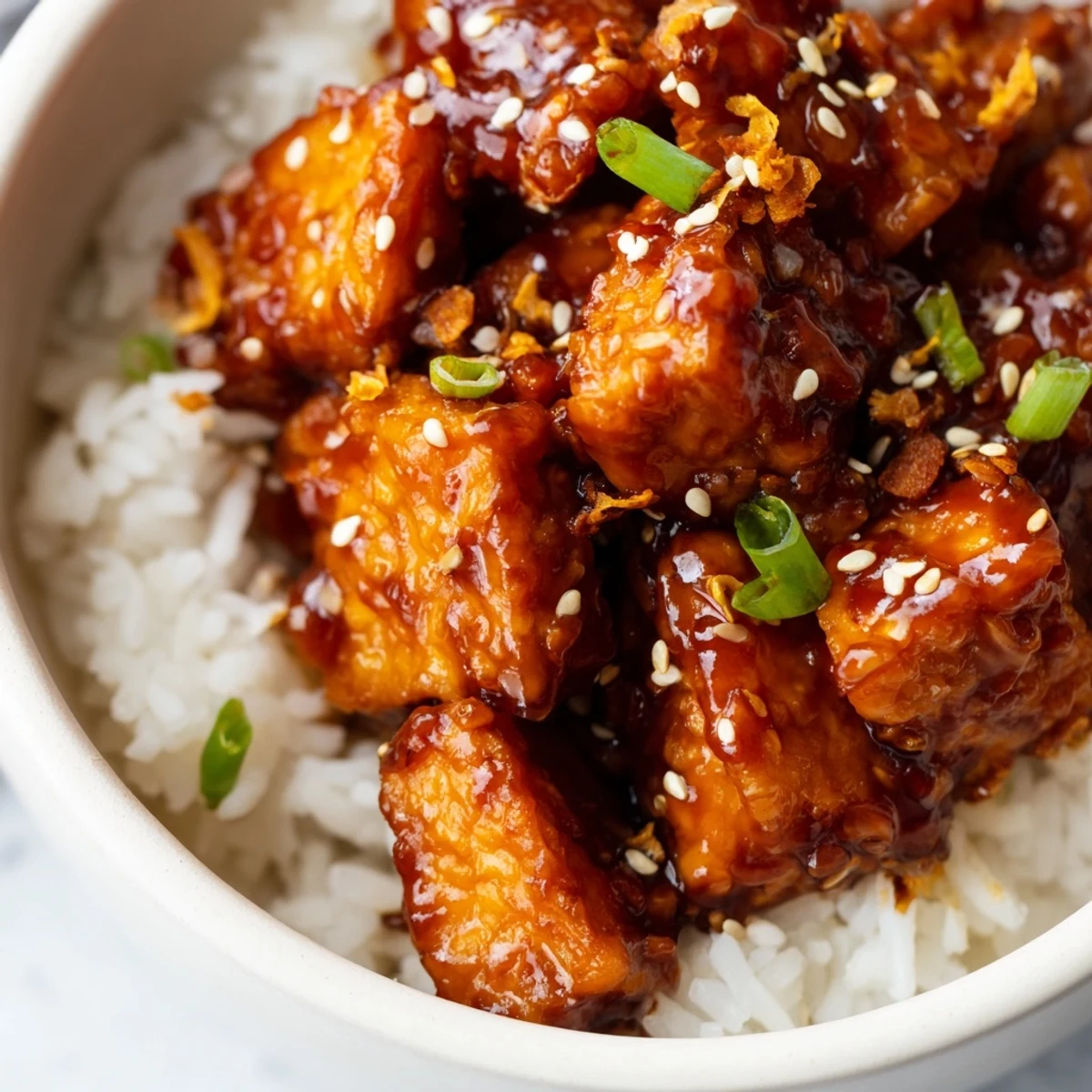
 This Korean-inspired bowl delivers big comfort with crispy shredded tofu coated in a homemade bulgogi sauce made from soy sauce, brown sugar, mirin, sesame oil, garlic, and ginger. The tofu gets a light cornstarch coating before baking until golden and crunchy, then gets tossed straight into the sauce for maximum flavor. Served over warm short-grain rice with julienned carrot, sliced cucumber, sautéed spinach, and optional kimchi, it comes together in just 40 minutes. Each bowl is finished with sesame seeds, fresh chili, and green onion for a satisfying meal that's naturally vegan and dairy-free.
My roommate in college used to joke that tofu was just sadness on a plate, and I agreed with her until the night I shredded a block into strands, crusted it in cornstarch, and watched it turn into something completely unrecognizable in a hot pan. The crackling sound alone changed everything I thought I knew about plant-based cooking. This bulgogi bowl grew out of that late-night experiment, and it has since become the dish I make when someone says they don't like tofu.
I first served this to my friend Jiyoung, who grew up in Seoul and was politely skeptical. She took one bite, went quiet for a long moment, then asked for the recipe in a voice that suggested she was genuinely surprised. That kind of reaction from someone who knows the real thing is worth more than any compliment.
Ingredients
- Extra-firm tofu (400 g): Pressing this thoroughly is nonnegotiable because water is the enemy of crispness, and I mean really press it for at least fifteen minutes
- Cornstarch (2 tbsp): This creates the shatteringly crisp shell that makes people forget they are eating tofu
- Neutral oil (1 tbsp): Sunflower or canola works best here since they wont compete with the sesame in the sauce
- Soy sauce (4 tbsp): The backbone of the bulgogi flavor, providing all that deep savory umami
- Brown sugar (2 tbsp): This caramelizes beautifully when it hits the hot tofu and gives the sauce that signature Korean barbecue sweetness
- Mirin (1 tbsp): Rice vinegar works in a pinch but mirin adds a subtle sweetness and depth you can really taste
- Sesame oil (1 tbsp): Toasted sesame oil is what makes it smell like it came from a proper Korean kitchen
- Garlic (2 cloves, minced): Fresh garlic makes a noticeable difference over jarred, especially raw in a quick sauce like this
- Fresh ginger (1 thumb-sized piece, grated): Do not skip this because it provides a bright heat that balances the sugar perfectly
- Gochujang (1 tbsp): This Korean chili paste adds a slow-building warmth and fermented complexity that sriracha cannot replicate
- Toasted sesame seeds (2 tsp): Toasting them yourself in a dry pan for sixty seconds transforms their flavor completely
- Green onion (1, finely chopped): Both for the sauce and for garnish, using the white parts in the sauce and green parts on top
- Cooked short-grain white rice (500 g): Short-grain rice is sticky enough to hold everything together in each bite, which is why it matters here
- Carrot (1 medium, julienned): A vegetable peeler makes quick work of creating thin ribbons if you do not feel like julienning by hand
- Cucumber (1 small, thinly sliced): Its cool crunch is the refreshing break your mouth needs between bites of saucy tofu
- Sautéed spinach (100 g): A quick blanch with a drop of sesame oil turns plain spinach into something you would actually crave
- Kimchi (1 tbsp, optional): Even a small amount adds a fermented tang that ties the whole bowl together
- Fresh red chili (optional, for garnish): Thin slices scattered on top bring color and a sharp heat that looks beautiful against the golden tofu
Instructions
- Get the oven screaming hot:
- Preheat to 220°C (425°F) or set a large non-stick skillet over medium-high heat. The higher the heat, the crispier the tofu will get, so do not rush this step.
- Shred and coat the tofu:
- Use your hands or a fork to pull the pressed tofu into thin bite-sized strands, then toss with cornstarch until every piece is lightly dusted. The shredded shape is what creates all those wonderful crispy edges.
- Crisp it up:
- Spread the tofu on a parchment-lined tray, drizzle with oil, and bake 25 to 30 minutes, tossing halfway through, until deeply golden and crunchy. If pan-frying, work in batches so the pieces do not steam each other.
- Whisk together the bulgogi sauce:
- Combine the soy sauce, brown sugar, mirin, sesame oil, garlic, ginger, gochujang, sesame seeds, and chopped white parts of the green onion in a bowl. Stir until the sugar dissolves completely.
- Prep the rice and veggies:
- Divide warm rice among serving bowls, blanch the spinach with a pinch of salt and a few drops of sesame oil, and arrange the julienned carrot and sliced cucumber alongside.
- Toss and assemble:
- Remove the crispy tofu from the oven and immediately fold it into the bulgogi sauce until every strand is coated. Pile the saucy tofu onto the rice, add kimchi if using, and finish with sesame seeds, sliced red chili, and green onion.
 Save Pin
 There was a rainy Tuesday a few months ago when I made four of these bowls and set them on the kitchen counter for my family. Nobody said a word for ten full minutes, just the sound of chopsticks hitting ceramic, and that silence said everything.
Getting the Tofu Texture Right
The difference between good and great here comes down to how much water you remove before cooking. I have tried every method, from stacking heavy books on the block to using a dedicated press, and the extra time always pays off in crispiness that lasts through the sauce.
Building a Better Bulgogi Sauce
Balancing the sweet, salty, and spicy elements takes a moment of tasting and adjusting. I always dip a fingertip in and check before committing, adding a pinch more sugar or a drop more soy sauce until it tastes like it could stand on its own as a dipping sauce.
Making It Your Own
The beauty of a bowl like this is that it adapts to whatever you have in the fridge without losing its identity. Swap in roasted sweet potato, add a soft fried egg on top, or throw in sautéed mushrooms for extra depth.
- Brown rice or quinoa work well if you want more fiber
- Tamari swaps in easily for a gluten-free version
- A drizzle of extra sesame oil right before eating elevates the aroma
 Save Pin
 This bowl has converted more tofu skeptics than any argument I could ever make. Sometimes the best way to change someone's mind is just to hand them chopsticks and let the food do the talking.
Recipe FAQs
- → How do I get the tofu really crispy?
-
Press and drain the tofu thoroughly, shred it into small pieces, and toss evenly with cornstarch. Bake at 220°C on parchment, tossing halfway through, until golden and firm throughout.
- → Can I pan-fry the tofu instead of baking?
-
Absolutely. Heat a non-stick skillet with neutral oil and pan-fry the cornstarch-coated tofu in batches over medium-high heat until crispy on all sides.
- → Is this bowl gluten-free?
-
Replace soy sauce with tamari and verify that your gochujang is gluten-free. The rest of the ingredients are naturally gluten-free.
- → What can I substitute for gochujang if I don't have it?
-
Sriracha works well as a substitute for heat. You can also use a mild chili paste or simply omit it—the bulgogi sauce is flavorful even without the spice.
- → Can I prepare components ahead of time?
-
You can cook the rice, prepare the bulgogi sauce, and slice the vegetables up to a day in advance. For the best texture, bake the tofu fresh and toss it in sauce right before serving.
- → What rice works best for this bowl?
-
Short-grain white rice is traditional and gives the best soft, sticky texture. Brown rice, quinoa, or cauliflower rice are great alternatives depending on your preference.