
 Save Pin
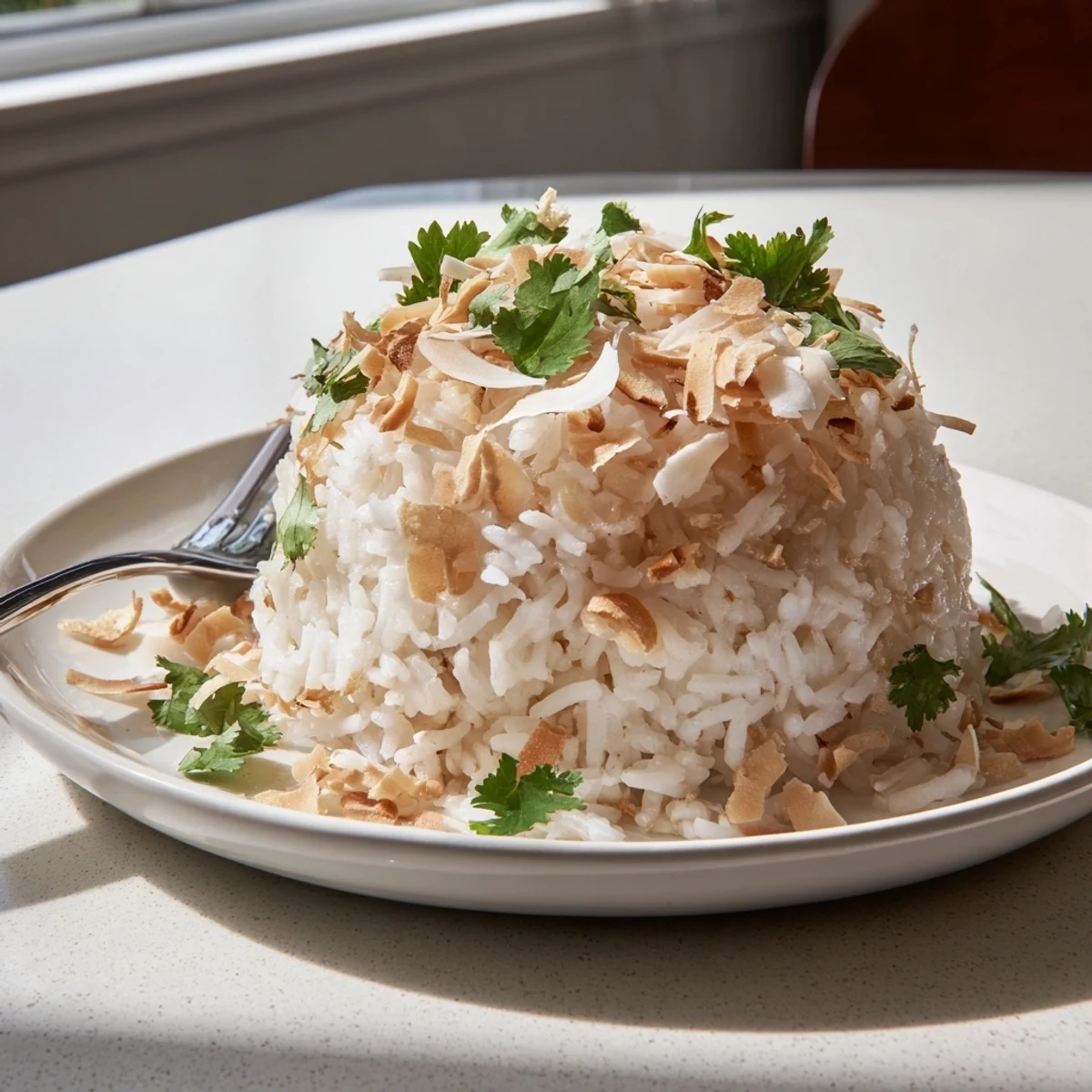
 This coconut rice transforms simple jasmine rice into a fragrant, creamy side dish by simmering it in full-fat coconut milk instead of plain water. The result is perfectly tender grains with a subtle sweetness and rich coconut flavor that pairs beautifully with Thai curries, stir-fries, or grilled proteins.
Ready in just 25 minutes with minimal prep, it's an effortless way to elevate any weeknight dinner. A quick rinse of the rice ensures fluffy, separated grains, while a brief resting period after cooking locks in moisture and texture.
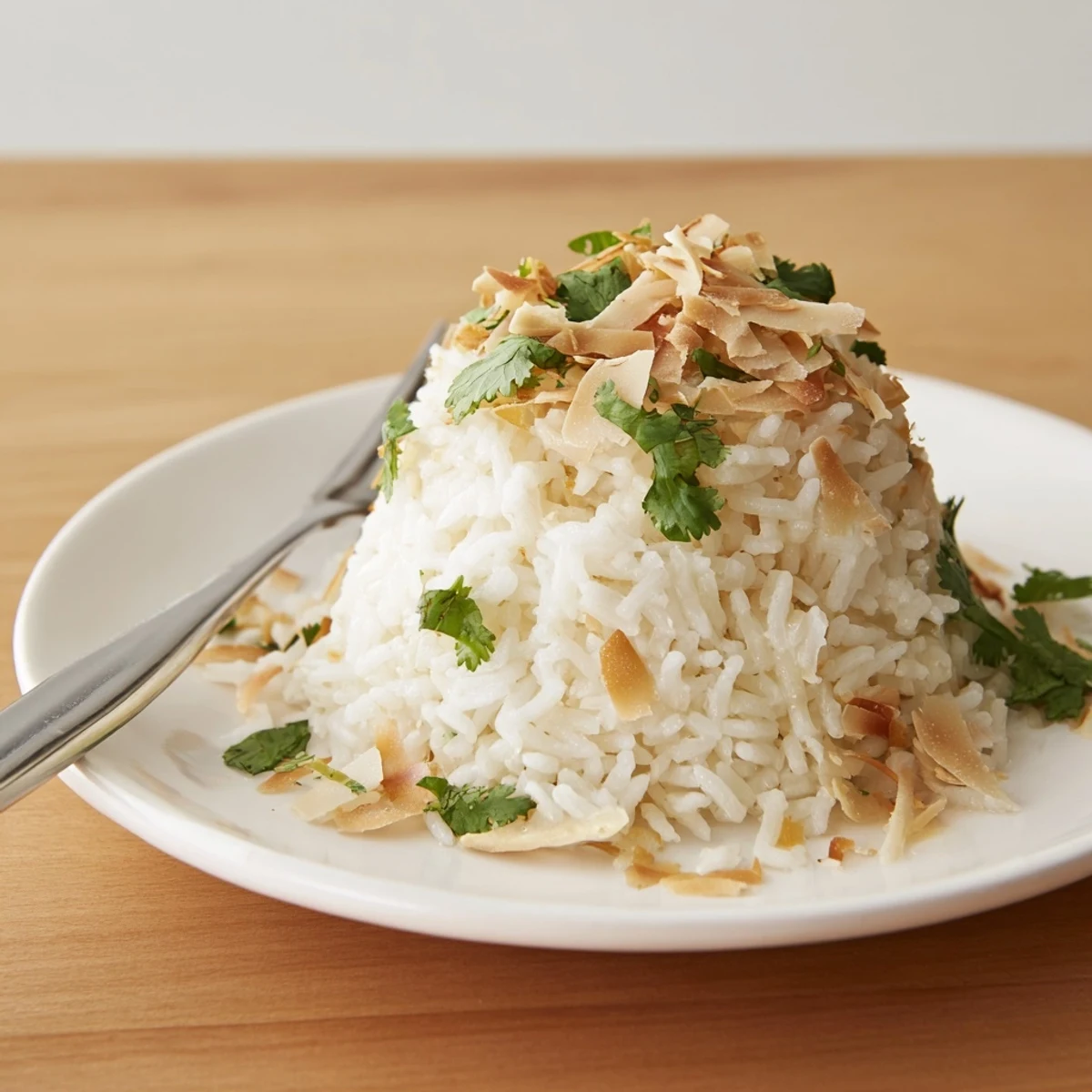
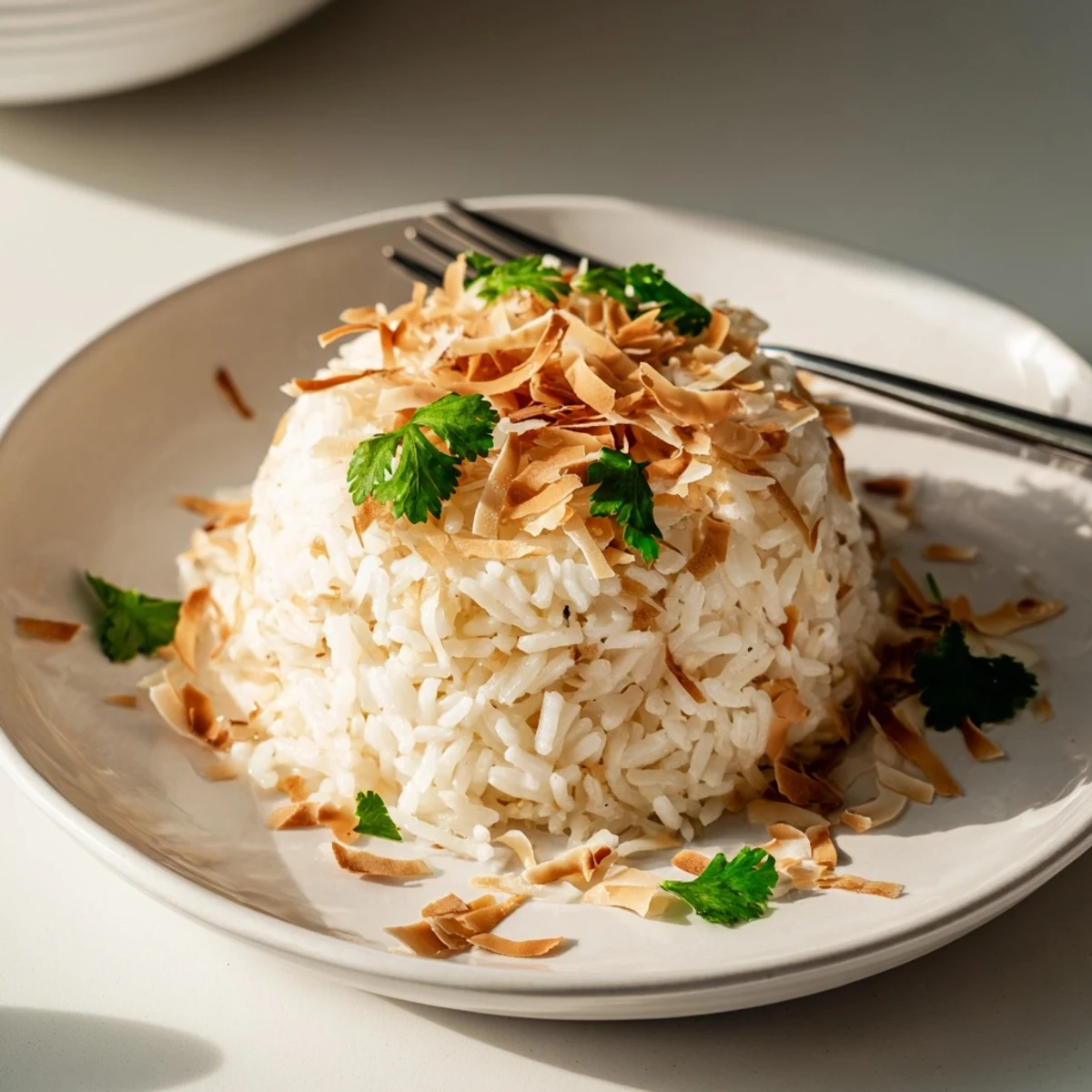
Customize with optional garnishes like toasted coconut flakes and fresh cilantro for added crunch and brightness.
The smell of coconut milk hitting a hot saucepan is one of those small kitchen miracles that stops me in my tracks every single time. It is sweet, rich, and instantly transports me to a tiny street food stall in Bangkok where I first tasted properly made coconut rice served alongside a fiery green curry. I came home obsessed with recreating it, and after many batches of mushy, burnt, or bland attempts, this version finally became the one I make at least twice a month. It is deceptively simple, but the details matter more than you would expect.
My friend Laura once watched me make this while visiting and refused to believe there was no butter or cheese involved. She kept opening the saucepan lid, sniffing, and asking if I was hiding something from her, which made me laugh because I had the exact same reaction the first time a Thai cooking instructor showed me how easy this was. Now Laura texts me every time she makes it, usually with a photo and some variation of I cannot believe this is just rice.
Ingredients
- Jasmine rice (1 cup): Jasmine is ideal because its delicate floral aroma complements the coconut perfectly, but basmati works in a pinch if that is what your pantry offers.
- Full fat unsweetened coconut milk (1 cup): Do not reach for the low fat version, as the richness is what gives this dish its luxurious texture and depth.
- Water (1 cup): A one to one ratio of coconut milk to water keeps things creamy without turning the rice into porridge.
- Salt (1/2 tsp): This small amount sharpens all the flavors and prevents the rice from tasting flat.
- Sugar (1 tsp, optional): A pinch of sugar rounds out the coconut and enhances its natural sweetness in a way that salt alone cannot.
- Toasted shredded coconut (2 tbsp, optional garnish): Adds a satisfying crunch and doubles down on the coconut flavor for anyone who wants to go all in.
- Chopped fresh cilantro (2 tbsp, optional garnish): A bright, herbal finish that cuts through the richness and makes the dish look gorgeous on the plate.
Instructions
- Wash the rice well:
- Place the rice in a fine mesh strainer and rinse under cold running water, swishing it around with your fingers until the water runs mostly clear. This removes surface starch that would otherwise make your rice gummy and stuck together.
- Combine everything in the pot:
- Dump the rinsed rice into a medium saucepan and pour in the coconut milk, water, salt, and sugar, then give it a gentle stir to distribute everything evenly. Take a moment to appreciate how pretty the coconut milk looks swirling through the water before you turn on the heat.
- Cook low and slow:
- Set the pan over medium heat and bring it to a gentle boil, watching for small bubbles around the edges, then immediately drop the heat to low, clamp on the lid, and set a timer for 15 to 18 minutes. Resist every urge to lift the lid and peek, because that steam is doing essential work in there.
- Let it rest:
- When the timer goes off, turn off the heat completely but leave the lid on for another 5 full minutes so the rice can finish steaming in its own residual heat. Then gently fluff with a fork, lifting rather than stirring, to keep those beautiful separate grains intact.
- Finish and serve:
- If you are using the garnishes, sprinkle the toasted coconut and cilantro over the top right before serving so they stay vibrant and fresh. Serve alongside your favorite curry, grilled meats, or even a simple fried egg for a humble but deeply satisfying meal.
 Save Pin
 There is something quietly powerful about a pot of coconut rice on the stove. It does not demand attention or fancy technique, yet it manages to make every dish sitting next to it taste a little more considered and a lot more comforting.
Getting the Texture Just Right
The biggest mistake I made early on was treating coconut rice like regular rice and eyeballing the liquid. Coconut milk is thicker and richer than water alone, so the grain to liquid ratio needs to be precise or you end up with either crunchy centers or a mushy mess. Measuring everything with actual measuring cups instead of the guesswork I usually rely on changed my results completely. Once you nail the ratio a single time, your hands will remember it forever.
Pairing Ideas That Never Disappoint
This rice was practically born to sit next to a Thai green curry or a Malaysian rendang, soaking up all that saucy goodness without losing its own identity. I have also served it under grilled shrimp with a squeeze of lime, and even alongside a simple fried egg and some sriracha on nights when cooking felt like too much work. The subtle sweetness balances heat beautifully, so the spicier your main dish, the better this rice will taste beside it.
Storage and Reheating Advice
Leftover coconut rice reheats like a dream if you do it correctly, and honestly I sometimes think it tastes even better the next day when the flavors have had time to settle. The trick is adding a splash of water before reheating so the grains plump back up instead of drying out.
- Store leftovers in an airtight container in the refrigerator for up to three days without any loss in quality.
- Reheat in the microwave with a damp paper towel draped over the bowl, or gently warm it on the stovetop with a tablespoon of water.
- Freeze individual portions in sealed bags for up to one month and thaw overnight in the fridge before reheating.
 Save Pin
 Keep this recipe in your back pocket for any night that needs a small upgrade without any extra stress. Coconut rice is proof that the simplest dishes often leave the biggest impression.
Recipe FAQs
- → Can I use brown rice instead of jasmine rice?
-
Yes, brown rice works as a substitute but requires a longer cooking time of approximately 40–45 minutes and may need additional liquid. Keep the saucepan covered and check periodically for tenderness.
- → Should I use full-fat or lite coconut milk?
-
Full-fat, unsweetened coconut milk produces the richest, creamiest result. Lite coconut milk can be used but will yield a less flavorful and slightly drier rice.
- → Why does the rice need to rest after cooking?
-
Resting the rice covered for 5 minutes after removing it from heat allows the steam to redistribute, finishing the cooking process gently and producing evenly tender, fluffy grains.
- → What pairs well with coconut rice?
-
Coconut rice complements Thai green or red curries, spicy grilled chicken, teriyaki salmon, stir-fried vegetables, and seafood dishes. It also works well alongside satay skewers or Indonesian rendang.
- → How do I store and reheat leftover coconut rice?
-
Store cooled rice in an airtight container in the refrigerator for up to 4 days. Reheat in the microwave with a splash of water or coconut milk, covered, to restore moisture and fluffiness.
- → Can I add extra aromatics for more flavor?
-
Absolutely. Adding a smashed lemongrass stalk, a few kaffir lime leaves, or a piece of fresh ginger to the saucepan while cooking infuses the rice with wonderful aromatic depth. Remove them before serving.