 Save Pin
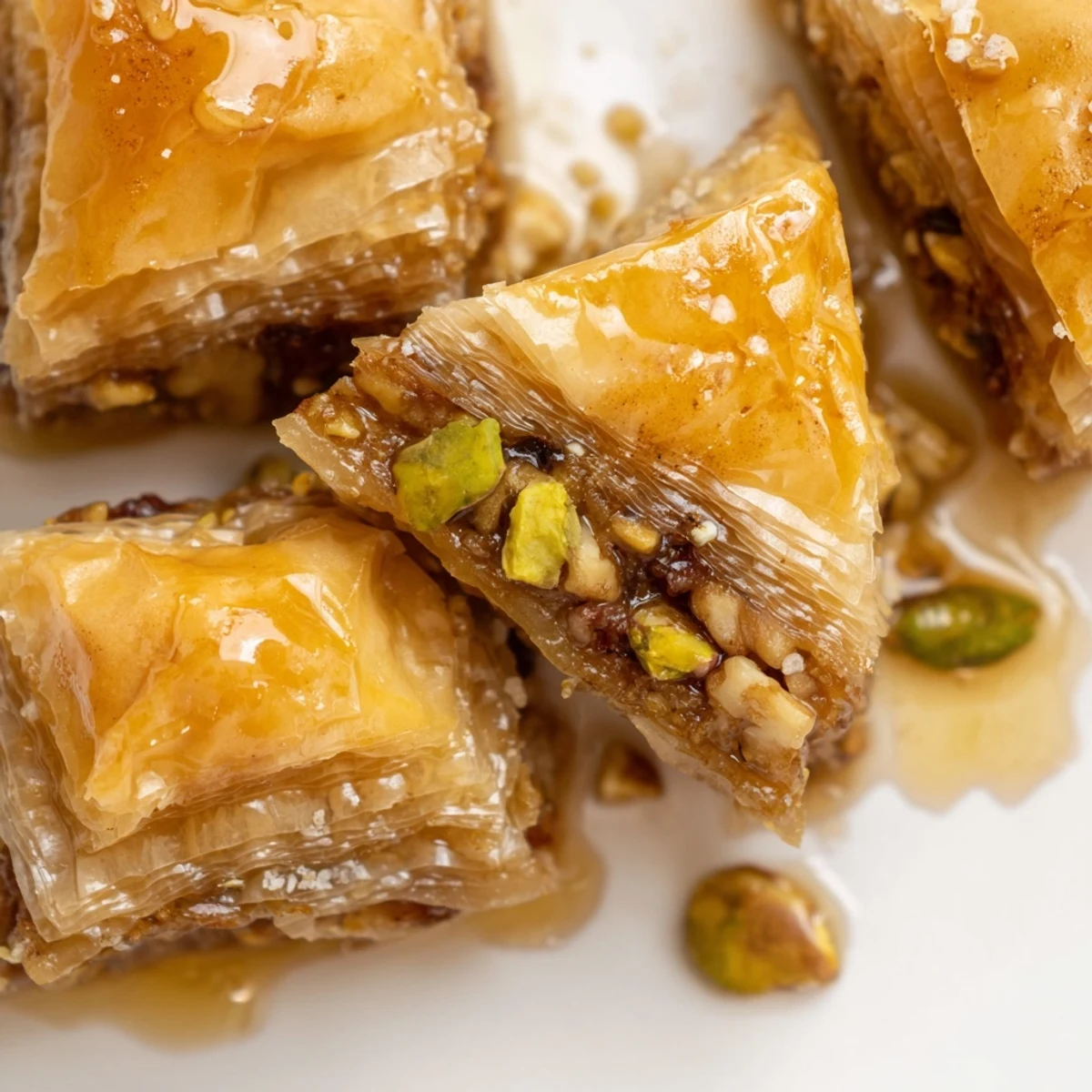
 This traditional Middle Eastern dessert features delicate phyllo pastry stacked with a trio of finely chopped nuts—walnuts, pistachios, and almonds—mixed with warming cinnamon. Each buttery layer bakes until golden and irresistibly crisp, then drowns in a fragrant syrup infused with honey, lemon, and cinnamon stick. The hot syrup transforms the pastry into a luscious, sticky confection that melts in your mouth. Serve with Turkish coffee or black tea for the authentic experience, and customize with rose water or orange blossom water for floral notes.
The first time I attempted baklava, my kitchen smelled like a bakery in Istanbul. I'd spent months obsessing over getting those paper-thin phyllo layers right, terrified they'd dry out or tear. Now it's become the dessert I make when I really want to impress someone, or just treat myself to something extraordinary.
Last Eid, my aunt watched me assemble the layers and told me my grandmother used to make baklava for special occasions, spending hours at the kitchen table. When I served it warm with Turkish coffee, she said it brought back so many memories of Sunday family gatherings. That's when I knew this recipe wasn't just about food anymore.
Ingredients
- 400 g phyllo dough: Work quickly and keep unused sheets covered with a damp towel, they dry out faster than you'd think
- 250 g unsalted butter, melted: Clarified butter works even better if you want extra crisp layers that won't sog out
- 200 g walnuts, finely chopped: Pulse them in short bursts so you don't end up with nut butter
- 100 g pistachios: These add that gorgeous green color and distinct Middle Eastern flavor
- 80 g almonds: A lighter nut that balances the richer walnuts perfectly
- 80 g granulated sugar: This sweetens the nut filling and helps create those syrupy pockets we love
- 1 tsp ground cinnamon: Don't skip this, it's what makes your kitchen smell like heaven
- 250 ml water: Use filtered water if possible, it affects the syrup clarity
- 300 g sugar: Creates that signature sticky sweetness baklava is famous for
- 2 tbsp lemon juice: The secret ingredient that keeps the syrup from crystallizing
- 2 tbsp honey: Adds floral notes and a beautiful golden color to the syrup
- 1 cinnamon stick: Simmering this in the syrup infuses it with warm spice
Instructions
- Prepare your workspace:
- Preheat oven to 180°C (350°F) and butter a 23x33 cm baking dish thoroughly
- Mix the filling:
- Combine all the chopped nuts with 80 g sugar and cinnamon in a bowl until evenly distributed
- Handle with care:
- Unroll phyllo and cover immediately with a damp towel, working with one sheet at a time
- Build the foundation:
- Layer 8 sheets in the dish, brushing each generously with melted butter before adding the next
- Add the first nut layer:
- Sprinkle about one-third of the nut mixture evenly across the phyllo base
- Repeat and layer:
- Add 4 more buttered phyllo sheets, spread half the remaining nuts, then 4 more sheets and the final nuts
- Top it off:
- Finish with remaining phyllo sheets, buttering each one as you work
- Score before baking:
- Cut through all layers into diamonds or squares using a sharp knife, this helps syrup penetrate later
- Bake to golden perfection:
- Cook for 35-40 minutes until deeply golden and crisp throughout
- Meanwhile, make the syrup:
- Simmer water, 300 g sugar, lemon juice, honey, cinnamon stick and orange peel for 10 minutes, then cool slightly
- The crucial step:
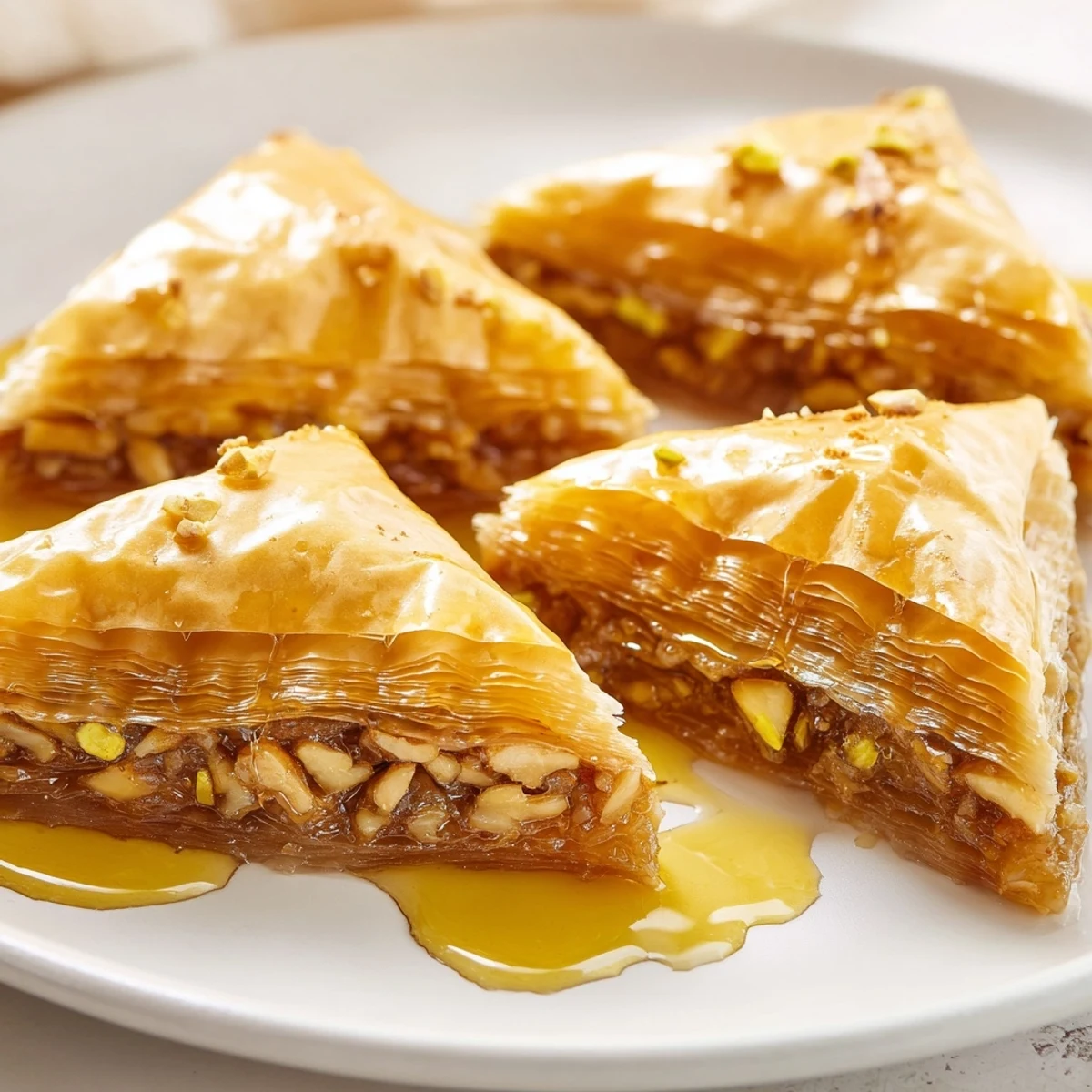
- Pour cooled syrup slowly over hot baklava the moment it comes out of the oven
- Practice patience:
- Let cool completely so the syrup fully absorbs, otherwise you'll end up with a soggy bottom
 Save Pin
 My neighbor came over once while I was pouring the syrup and watched in fascination as the golden liquid disappeared into the layers. She asked if she could stay for tea and we ended up sitting at my counter for hours, talking about family traditions and sharing memories connected to food. That afternoon taught me that baklava isn't just a dessert, it's a conversation starter.
Getting Those Layers Perfect
I've learned that rushing through the phyllo layering is the biggest mistake you can make. Take your time with each sheet, making sure the butter reaches every corner. Some evenings I put on music and treat the process like meditation, finding something almost therapeutic about the rhythm of brush, layer, repeat, brush, layer, repeat.
Serving Suggestions That Work
Baklava tastes best when it's had time to rest overnight, letting all those flavors meld together beautifully. I serve it in small pieces since it's incredibly rich, usually on a pretty plate with a tiny fork. The traditional pairing with strong black coffee or Turkish tea isn't just for show, the bitterness cuts through all that sweetness perfectly.
Making It Your Own
Once you've mastered the classic version, there's so much room to play around. I've experimented with adding orange blossom water or rose water to the syrup, which gives it this ethereal floral quality people can't quite identify but love. Some days I swap in hazelnuts or pecans depending on what's in my pantry, and each variation tells a slightly different story.
- Don't be afraid to adjust the nuts based on what you have
- A splash of floral water transforms the whole experience
- Leftovers keep beautifully for days, if they last that long
 Save Pin
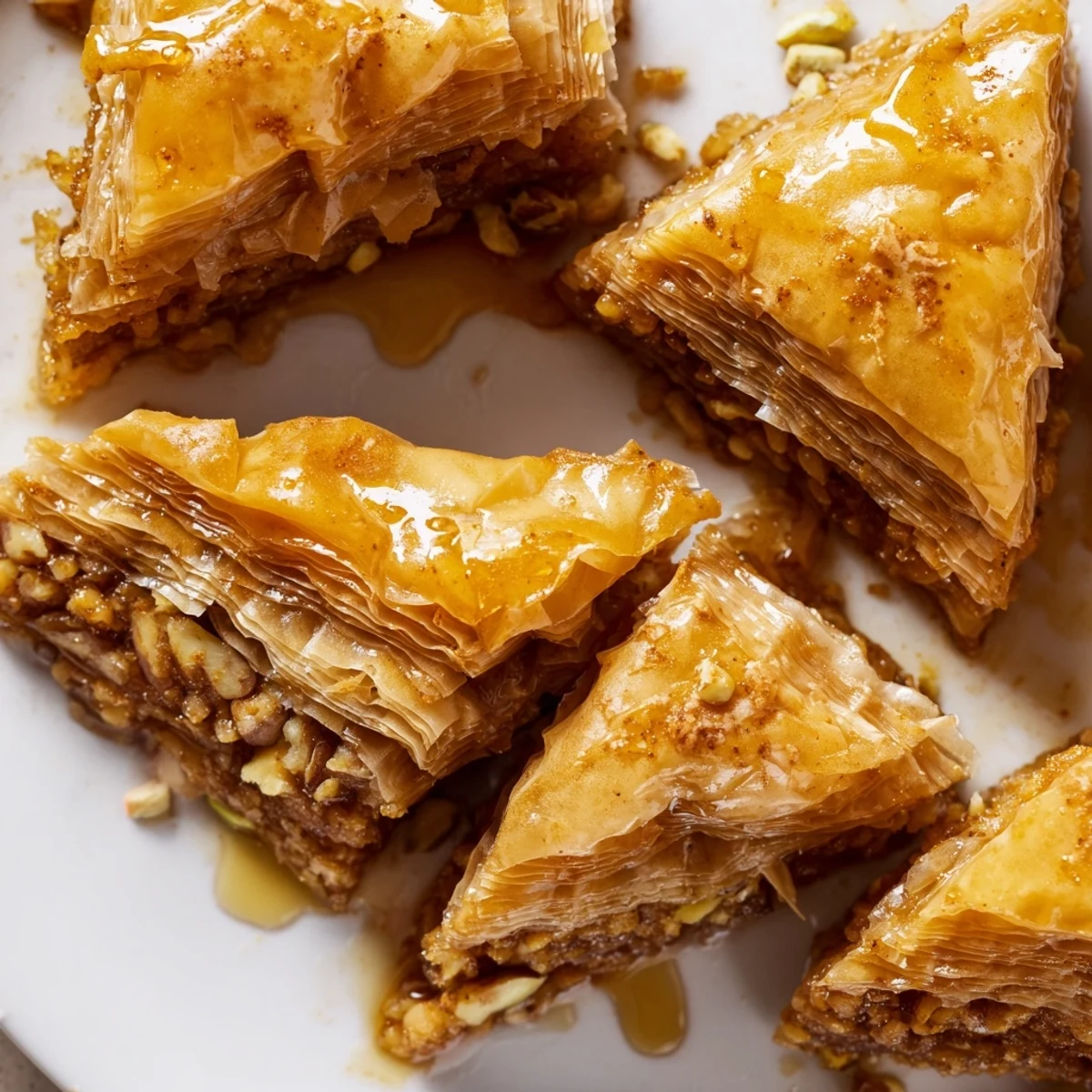
 Every time I pull a tray of baklava from the oven, I'm still amazed that something so impressive-looking comes from such humble ingredients. Here's to many sticky fingers and satisfied smiles in your kitchen.
Recipe FAQs
- → How do I keep phyllo dough from drying out?
-
Keep unused phyllo sheets covered with a damp towel while working. Uncover only the sheet you're currently brushing with butter, then immediately recover the stack. This prevents the delicate pastry from becoming brittle and unworkable.
- → Why must the syrup be cooled before pouring?
-
Pouring slightly cooled syrup over hot baklava ensures even absorption without making the pastry soggy. The temperature difference helps the syrup penetrate gradually while maintaining the crisp texture you've achieved through baking.
- → Can I make baklava ahead of time?
-
Absolutely. Baklava actually improves after resting overnight at room temperature, allowing flavors to meld and the syrup to fully saturate every layer. Store in an airtight container; it keeps beautifully for up to a week.
- → What nuts work best in baklava?
-
The classic combination combines walnuts for earthiness, pistachios for vibrant color and subtle sweetness, plus almonds for crunch. Hazelnuts or pecans make excellent substitutes. Mix and match based on preference and availability.
- → Should I cut baklava before or after baking?
-
Cut before baking using a sharp knife. This creates clean edges and allows the syrup to penetrate between pieces. Post-baking cutting often shatters the delicate layers and makes serving messy.
- → How do I know when baklava is done?
-
Look for evenly golden-brown color across the surface—typically 35-40 minutes at 180°C. The phyllo should feel firm and crisp to the touch, not soft or doughy. The nuts will become fragrant when properly toasted.